Find detailed answers to common questions about water heating systems, energy efficiency, and long-term cost considerations for residential and commercial applications.
Solar water heaters typically have minimal operating costs since they rely primarily on sunlight, which is free. Your main expenses involve occasional maintenance and pump electricity if using an active system. In Singapore's climate, expect monthly costs of S$5-15 for auxiliary heating during cloudy periods.
Electric heat pumps consume electricity but use it efficiently, drawing ambient heat from the air. Monthly operating costs typically range from S$30-60 for a household of four, depending on usage patterns and electricity rates. Heat pumps maintain consistent performance regardless of weather, providing reliable hot water year-round without relying on sunshine availability.
Solar water heaters in Singapore typically achieve payback within 5-8 years. The initial investment ranges from S$3,000-6,000 for residential systems, with annual savings of S$400-800 compared to conventional electric heaters. Government rebates and incentives can reduce payback periods by 1-2 years.
Heat pumps generally have a shorter payback period of 3-5 years, with initial costs between S$2,500-4,500. Annual savings typically reach S$600-1,000 compared to traditional electric resistance heaters. The faster recovery stems from lower upfront costs and consistent energy savings throughout the year, independent of weather conditions.
Singapore's abundant sunshine makes solar water heaters highly effective, with systems typically achieving 70-90% of hot water needs through solar energy alone. The consistent tropical temperatures and high solar irradiance levels create ideal conditions for thermal collectors. However, frequent afternoon thunderstorms and cloudy periods require backup heating elements.
Heat pumps also perform excellently in tropical conditions, as warm ambient air temperatures increase their efficiency. Singapore's year-round warmth means heat pumps maintain coefficient of performance (COP) values of 3.5-4.5 consistently, extracting heat energy effectively regardless of cloud cover or rain. This reliability makes them particularly suitable for commercial applications requiring constant hot water availability.
Solar water heaters require annual inspections costing S$100-200, including checking collector panels for damage, inspecting pipe connections, testing pressure relief valves, and flushing the system to prevent mineral buildup. Collector glass may need cleaning every 3-6 months in urban areas. Expect to replace the circulation pump every 8-10 years at a cost of S$300-500.
Heat pumps need filter cleaning every 2-3 months and professional servicing annually at S$150-250. This includes refrigerant level checks, electrical connection inspections, and compressor performance testing. The compressor typically lasts 10-15 years before requiring replacement at S$800-1,200. Overall, heat pumps generally have slightly lower maintenance costs over their lifespan.
A typical residential solar water heater for a family of four requires 3-5 square meters of roof space for flat plate collectors, or 2-3 square meters for more efficient evacuated tube collectors. The area must receive direct sunlight for at least 5-6 hours daily, ideally facing south with minimal shading from nearby buildings or trees.
The storage tank, usually 150-300 liters for residential use, needs additional space either on the roof or inside the building. Consider structural load capacity, as a complete system weighs 200-400 kg when filled. Heat pumps, by contrast, require minimal space—typically just 1 square meter for the outdoor unit, making them suitable for properties with limited roof access or shading issues.
Solar water heaters typically last 15-20 years with proper maintenance. Collector panels often carry warranties of 10-15 years, while storage tanks last 12-18 years depending on water quality and usage. The system has fewer moving parts, which contributes to longevity. However, components exposed to weather may degrade faster in tropical conditions with high humidity and occasional storms.
Heat pumps generally have a lifespan of 12-15 years, with the compressor being the critical component. Modern units feature improved refrigerants and better corrosion protection suitable for coastal environments. While the overall lifespan is slightly shorter than solar systems, heat pumps often maintain more consistent performance throughout their operational life without the gradual efficiency decline sometimes seen in aging solar collectors.
Both systems scale effectively for larger demands. Solar installations can be expanded by adding more collector panels and larger storage tanks. A system for 6-8 people typically requires 6-8 square meters of collectors and a 300-400 liter tank. Commercial applications like hotels or gyms often use multiple interconnected systems or large-scale installations with 20-50 square meters of collectors.
Heat pumps also scale well, with commercial-grade units available in capacities from 500 liters to several thousand liters. Multiple units can work in parallel for very high demands. For commercial applications requiring constant hot water availability, heat pumps often prove more practical since they don't depend on weather conditions and can maintain consistent output during peak usage periods throughout the day.
Solar water heaters provide excellent protection against rising electricity costs since they generate hot water using free sunlight. As electricity rates increase, your savings grow proportionally. If rates rise from S$0.25 to S$0.35 per kWh over ten years, your annual savings could increase from S$500 to S$700 without any changes to your system.
Heat pumps remain cost-effective even with tariff increases because they use electricity three to four times more efficiently than conventional heaters. A 40% increase in electricity rates might raise your annual operating costs from S$450 to S$630, but you still save significantly compared to traditional electric heaters, which would cost S$1,800-2,500 annually at the higher rate.
Solar water heaters include backup electric heating elements that activate automatically when solar energy is insufficient. During monsoon seasons with several consecutive cloudy days, the backup heater maintains water temperature, though this increases electricity consumption temporarily. Most systems store enough thermal energy to provide hot water for 24-36 hours without sunshine.
Heat pumps continue operating normally during cloudy weather since they extract heat from ambient air rather than direct sunlight. If a heat pump fails, most units have built-in electric backup elements that provide hot water while repairs are arranged. This redundancy ensures continuous hot water availability, making heat pumps particularly reliable for applications where interruptions cannot be tolerated.
Singapore offers various incentives for energy-efficient water heating systems through programs administered by the Building and Construction Authority (BCA) and the Energy Market Authority (EMA). Solar water heaters may qualify for Green Mark incentives and grants that can offset 20-30% of installation costs for qualifying buildings.
Heat pumps certified under energy efficiency schemes may also receive rebates or tax benefits. Commercial properties implementing either system as part of broader energy efficiency upgrades can access funding through the Energy Efficiency Fund. Check current program availability and eligibility requirements, as incentive structures change periodically based on national sustainability goals and budget allocations.
HDB flats typically have limited roof access and shared common areas, making heat pumps the more practical choice. The compact outdoor unit can be installed on service balconies or external walls, requiring minimal space and no roof modifications. Installation is simpler and doesn't involve structural considerations related to shared building elements.
Landed properties with private roof access can accommodate either system effectively. Solar water heaters make excellent use of available roof space and provide maximum long-term savings. However, properties with significant shading from trees or neighboring buildings may achieve better results with heat pumps. Consider your specific site conditions, available space, and whether you prioritize maximum energy independence or consistent performance.
Solar water heater installation costs S$3,000-6,000 for residential systems, including collectors, storage tank, piping, and labor. Roof-mounted installations may require structural reinforcement, adding S$500-1,000. Complex installations with long pipe runs or difficult roof access increase costs. The price includes mounting frames, insulated piping, and electrical connections for backup heating elements.
Heat pump installations typically cost S$2,500-4,500, including the unit, installation labor, and electrical work. The lower cost reflects simpler installation requirements—no roof work, shorter pipe runs, and standard electrical connections. Additional costs may include upgraded electrical circuits if your existing system cannot handle the load. Both systems require licensed professionals for proper installation and warranty validation.
Solar water heaters offer exceptional environmental benefits by directly converting sunlight to thermal energy without emissions. A typical residential system prevents 1.5-2.5 tons of CO2 emissions annually compared to conventional electric heaters. Over a 20-year lifespan, this equals removing a car from the road for 3-4 years. The technology uses no refrigerants and has minimal environmental impact during operation.
Heat pumps reduce carbon emissions by 60-70% compared to electric resistance heaters, preventing approximately 1.0-1.8 tons of CO2 annually. While they use electricity and contain refrigerants requiring proper disposal, modern units employ environmentally friendly refrigerants with low global warming potential. Both systems contribute significantly to reducing household carbon footprints and supporting Singapore's climate action goals.
Professional installation is strongly recommended and often required for both systems. Solar water heaters involve roof work, structural considerations, plumbing connections, and electrical wiring that require licensed contractors. Improper installation can void warranties, create safety hazards, and result in poor performance. Singapore regulations require licensed plumbers for water system modifications and electricians for electrical connections.
Heat pump installation requires refrigerant handling, which legally requires certified technicians. Electrical work must meet safety standards and building codes. Professional installation ensures proper sizing, correct placement for optimal performance, and warranty coverage. The installation cost represents 20-30% of total system cost—attempting DIY installation risks damaging expensive equipment and creating safety issues that cost more to rectify than professional installation.
Solar water heaters can experience mineral buildup in collectors and storage tanks, particularly in areas with hard water. Singapore's water is relatively soft, but scale accumulation still occurs over time, reducing heat transfer efficiency. Annual flushing and descaling maintain performance. Stagnant water in collectors during low-use periods can accelerate corrosion, making regular circulation important.
Heat pumps are less affected by water quality since water doesn't flow through the refrigerant system. However, the heat exchanger where water is heated can accumulate scale, reducing efficiency. Installing a water softener or using periodic descaling treatments extends component life. Both systems benefit from regular maintenance addressing water quality issues, with proper care ensuring optimal performance throughout their operational lifespan.
Solar water heaters operate silently since they have no moving parts except for circulation pumps in active systems. These pumps produce minimal noise, typically 30-40 decibels—quieter than normal conversation. The system is virtually unnoticeable during operation, making it ideal for noise-sensitive environments or properties where outdoor units might disturb neighbors.
Heat pumps generate 45-55 decibels during operation, comparable to a quiet conversation or background music. The compressor and fan create a steady hum that most people find unobtrusive. Modern units feature noise-reduction technology and can be positioned to minimize impact on living spaces. Consider placement away from bedrooms or quiet areas, and check local regulations regarding outdoor unit noise levels for residential installations.
Solar water heaters experience reduced efficiency during monsoon periods with extended cloud cover and heavy rainfall. The backup electric element activates more frequently, increasing electricity consumption by 40-60% during these months. However, even diffuse sunlight provides some heating, and the system still outperforms conventional electric heaters. Annual performance averages remain strong despite seasonal variations.
Heat pumps maintain consistent performance during monsoons since they extract heat from ambient air rather than sunlight. Rain and clouds don't significantly impact efficiency. The warm, humid air during monsoon season actually provides excellent conditions for heat extraction. This reliability makes heat pumps particularly suitable for applications requiring predictable hot water availability regardless of weather patterns throughout the year.
Consider your property characteristics first: available roof space, structural capacity, shading conditions, and installation access. Evaluate your hot water usage patterns—consistent daily demand versus variable usage affects system sizing and performance. Budget considerations include both upfront costs and long-term operating expenses, with solar systems offering lower operating costs but higher initial investment.
Think about reliability requirements and backup preferences. Solar systems provide maximum energy independence but need backup heating. Heat pumps offer consistent performance without weather dependency. Consider maintenance capabilities, noise tolerance, and aesthetic preferences. For HDB flats, heat pumps typically prove more practical. Landed properties with good solar access benefit most from solar installations. Your specific priorities regarding cost savings, environmental impact, and convenience should guide your decision.
Hybrid systems combining solar collectors with heat pump technology offer excellent performance by leveraging advantages of both approaches. The solar component provides free heating during sunny periods, while the heat pump efficiently handles backup heating during cloudy weather or high-demand periods. This configuration maximizes energy savings and ensures reliable hot water availability year-round.
However, hybrid systems involve higher initial costs (S$5,000-8,000) and increased complexity. Installation requires careful integration of both technologies, and maintenance involves servicing two separate systems. For most residential applications, choosing one system based on your specific circumstances provides better value. Hybrid configurations make more sense for commercial applications with high, consistent hot water demands where maximizing efficiency justifies the additional investment and complexity.
Providing Singapore with data-driven insights for sustainable water heating solutions since our establishment
Freshmanual was established in Singapore with a clear purpose: to help property owners make informed decisions about water heating systems. Located at 23 Lorong Mydin, we recognized a gap in the market where homeowners and businesses struggled to compare the actual costs and benefits of different heating technologies.
Our team consists of engineers and energy analysts who spent years working with both solar thermal systems and electric heat pump installations across Singapore. We noticed that many people chose systems based on incomplete information or marketing claims rather than solid financial analysis. This observation led us to create a resource that presents factual comparisons based on real-world data from Singapore's climate conditions.
What started as technical consulting has grown into a comprehensive analysis service. We collect performance data from installations throughout Singapore, track energy consumption patterns, and calculate actual payback periods. Our office serves as a meeting point where clients can review detailed cost breakdowns and system specifications before making investment decisions.
We provide accurate, location-specific analysis of water heating systems for Singapore properties. Our work focuses on calculating real energy costs, comparing system lifespans, and projecting maintenance expenses over 15-20 year periods. We measure performance in Singapore's tropical climate where solar radiation averages 1,580 kWh/m² annually and ambient temperatures remain consistent year-round.
Our team has analyzed over 200 water heating installations across HDB flats, condominiums, and landed properties in Singapore. We maintain a database of energy consumption records, repair histories, and replacement costs. This allows us to provide projections based on actual system performance rather than manufacturer specifications alone.
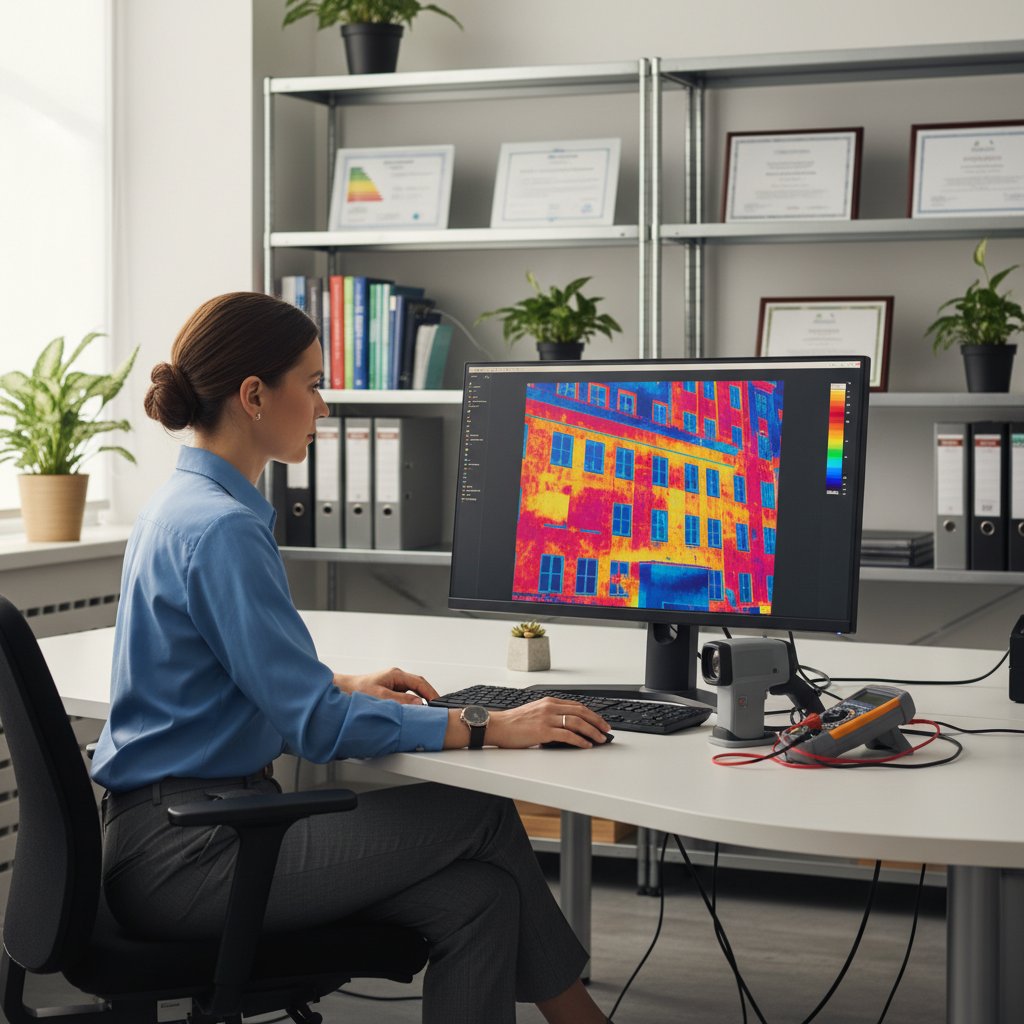
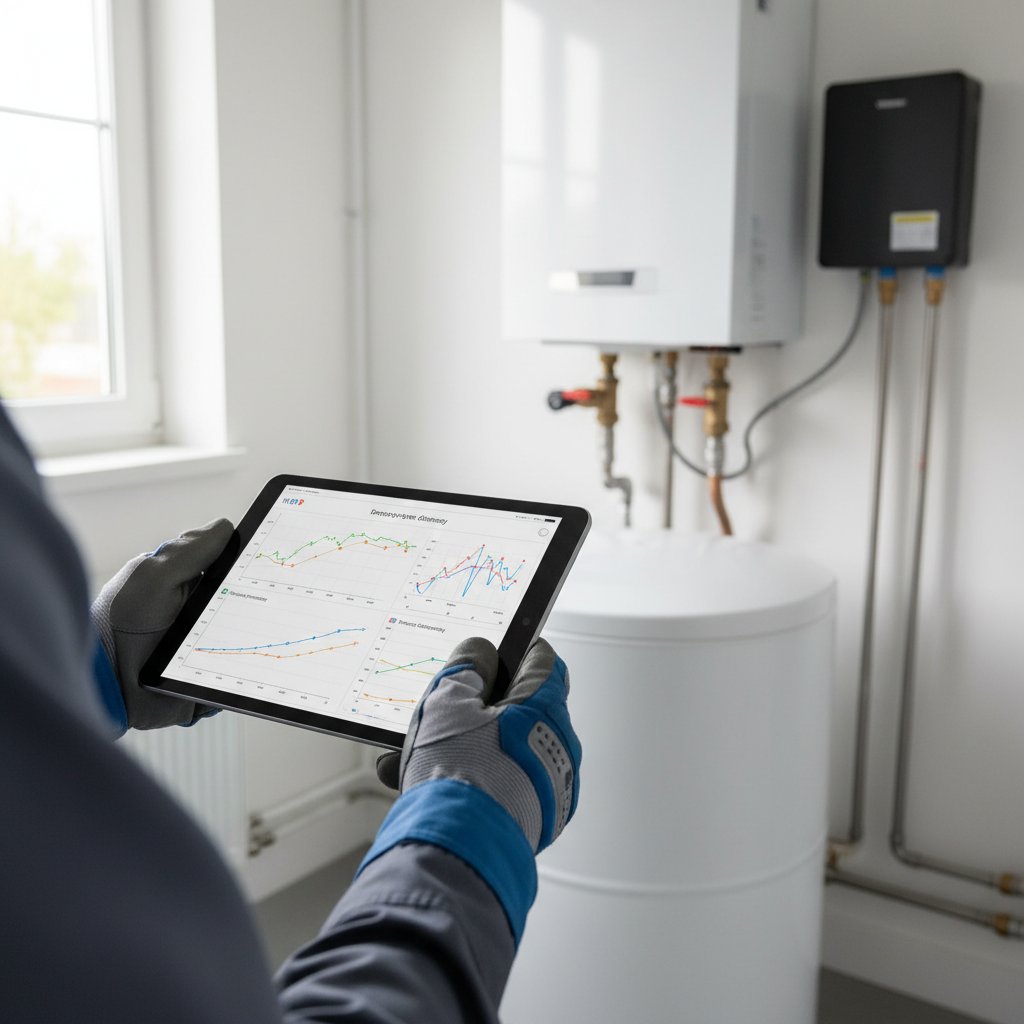
Our analysts have collectively evaluated water heating systems across Singapore's diverse property types. We understand how building orientation affects solar collector efficiency, how water hardness impacts heat pump longevity, and how electricity tariff structures influence operating costs. This knowledge base allows us to provide calculations specific to your property location and usage patterns.