Providing Singapore with data-driven insights for sustainable water heating solutions since our establishment
Freshmanual was established in Singapore with a clear purpose: to help property owners make informed decisions about water heating systems. Located at 23 Lorong Mydin, we recognized a gap in the market where homeowners and businesses struggled to compare the actual costs and benefits of different heating technologies.
Our team consists of engineers and energy analysts who spent years working with both solar thermal systems and electric heat pump installations across Singapore. We noticed that many people chose systems based on incomplete information or marketing claims rather than solid financial analysis. This observation led us to create a resource that presents factual comparisons based on real-world data from Singapore's climate conditions.
What started as technical consulting has grown into a comprehensive analysis service. We collect performance data from installations throughout Singapore, track energy consumption patterns, and calculate actual payback periods. Our office serves as a meeting point where clients can review detailed cost breakdowns and system specifications before making investment decisions.
We provide accurate, location-specific analysis of water heating systems for Singapore properties. Our work focuses on calculating real energy costs, comparing system lifespans, and projecting maintenance expenses over 15-20 year periods. We measure performance in Singapore's tropical climate where solar radiation averages 1,580 kWh/m² annually and ambient temperatures remain consistent year-round.
Our team has analyzed over 200 water heating installations across HDB flats, condominiums, and landed properties in Singapore. We maintain a database of energy consumption records, repair histories, and replacement costs. This allows us to provide projections based on actual system performance rather than manufacturer specifications alone.

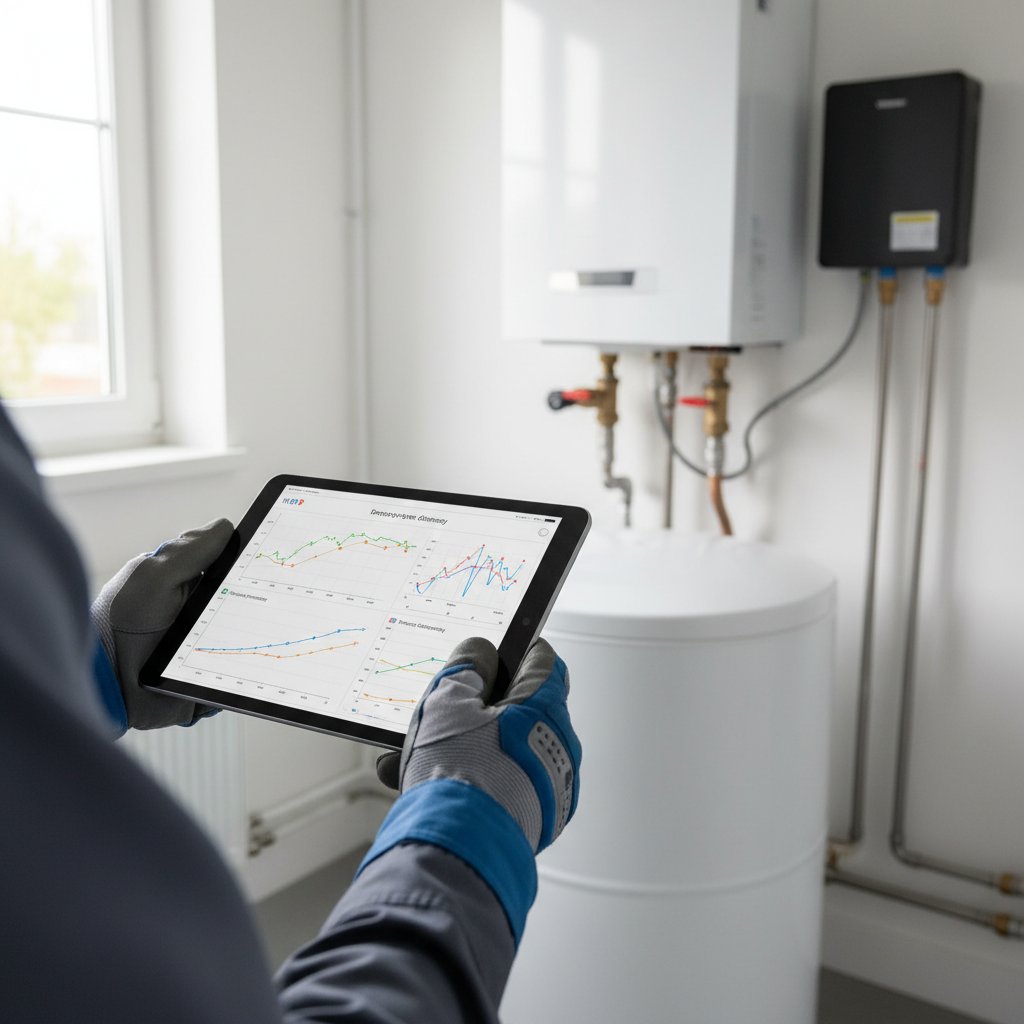
Our analysts have collectively evaluated water heating systems across Singapore's diverse property types. We understand how building orientation affects solar collector efficiency, how water hardness impacts heat pump longevity, and how electricity tariff structures influence operating costs. This knowledge base allows us to provide calculations specific to your property location and usage patterns.
Our installations demonstrate measurable energy efficiency improvements across residential and commercial properties in Singapore. Each project includes detailed performance data and cost analysis.
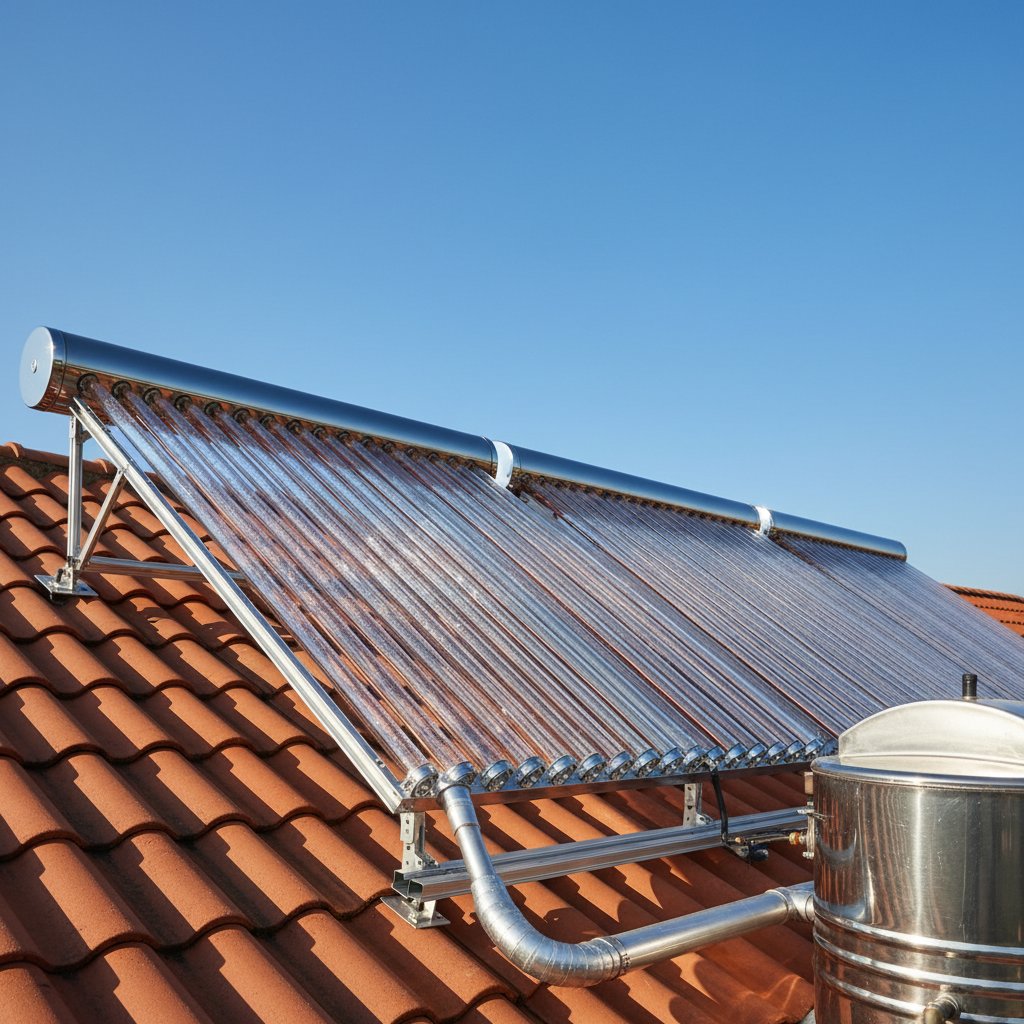
Installation of 300-liter solar water heater for a 4-room HDB flat. The system reduced electricity consumption by 68% compared to previous electric heater usage. Annual savings reached S$420 with payback period of 4.2 years based on current utility rates.
View Details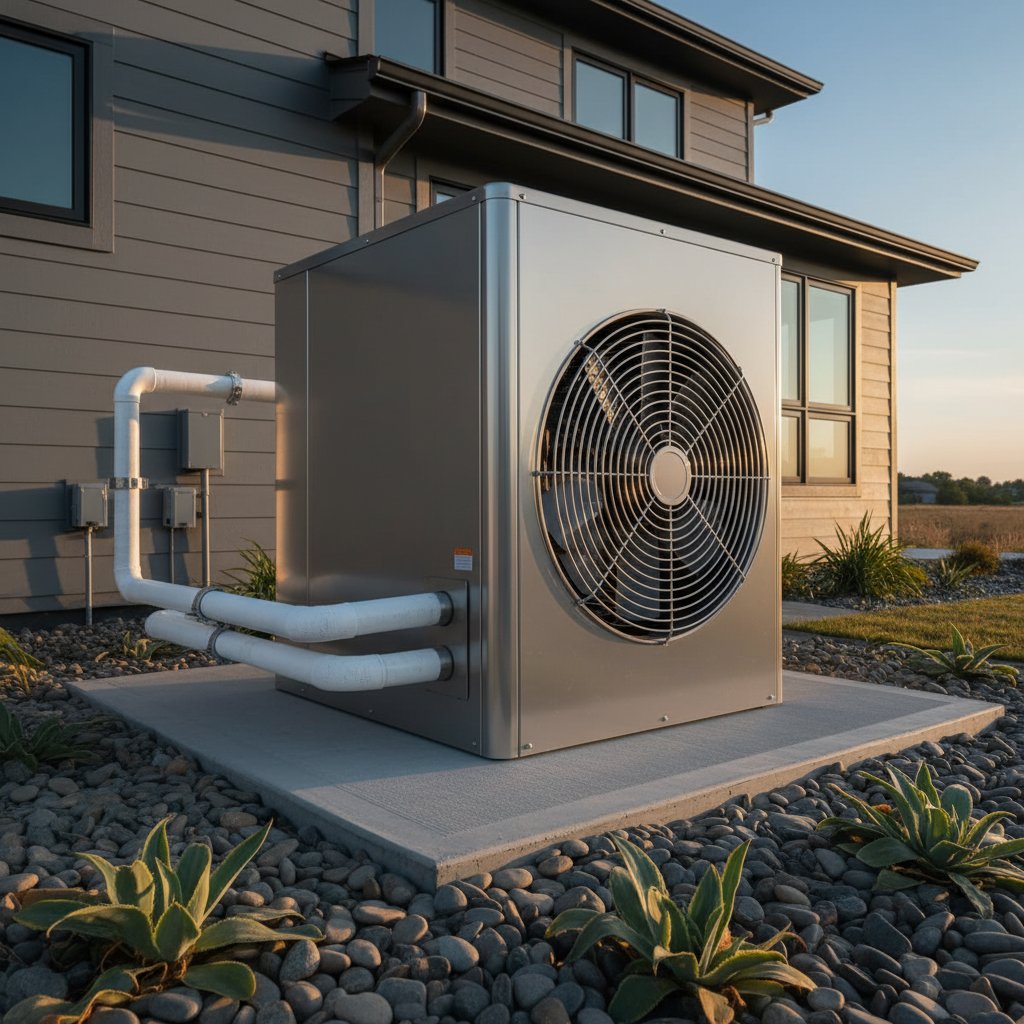
Commercial-grade heat pump water heater installed for restaurant with high hot water demand. System delivers 500 liters daily with COP of 3.8. Monthly energy costs decreased by S$340, achieving full return on investment within 3.5 years of operation.
View Details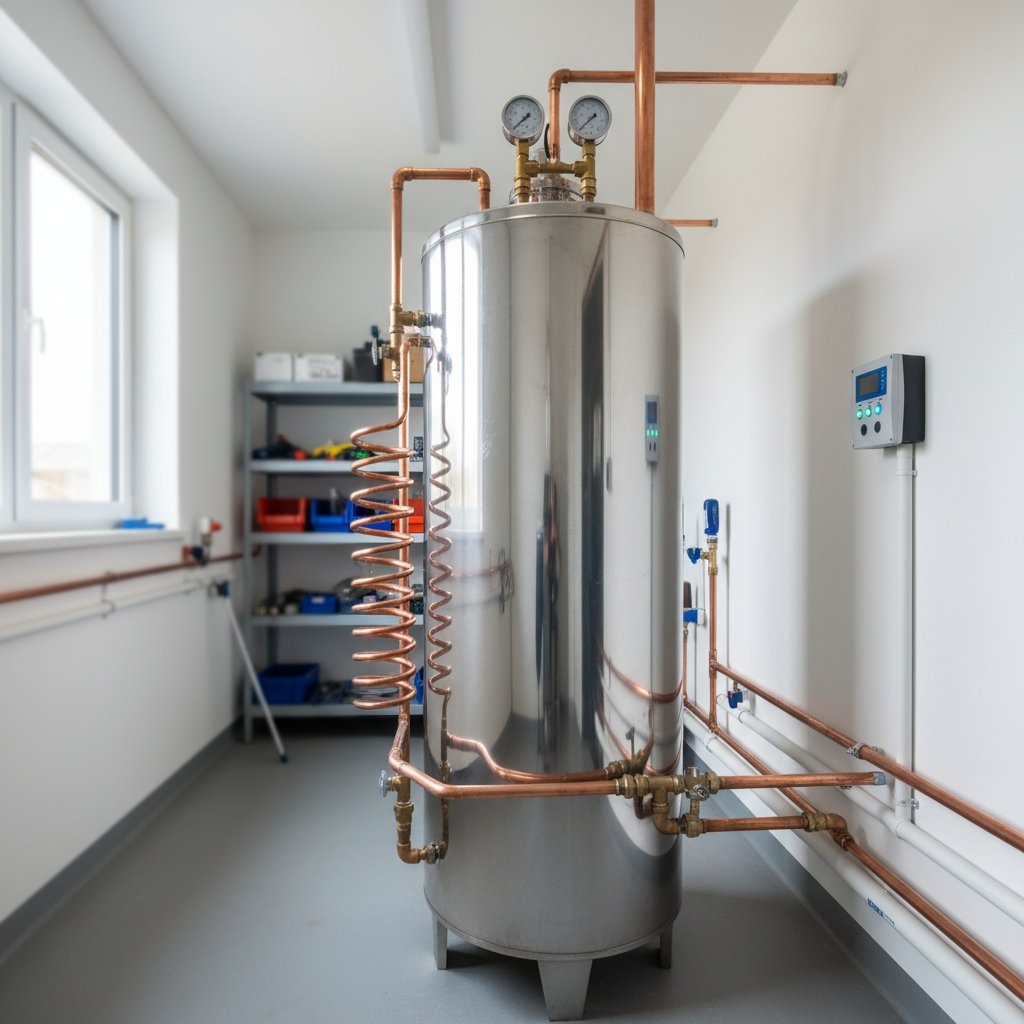
Multi-unit solar water heating installation serving 8 condominium units. Each household receives dedicated 200-liter capacity with shared collector panels on rooftop. Combined annual savings exceed S$2,800 across all units with minimal maintenance requirements over 5 years.
View Details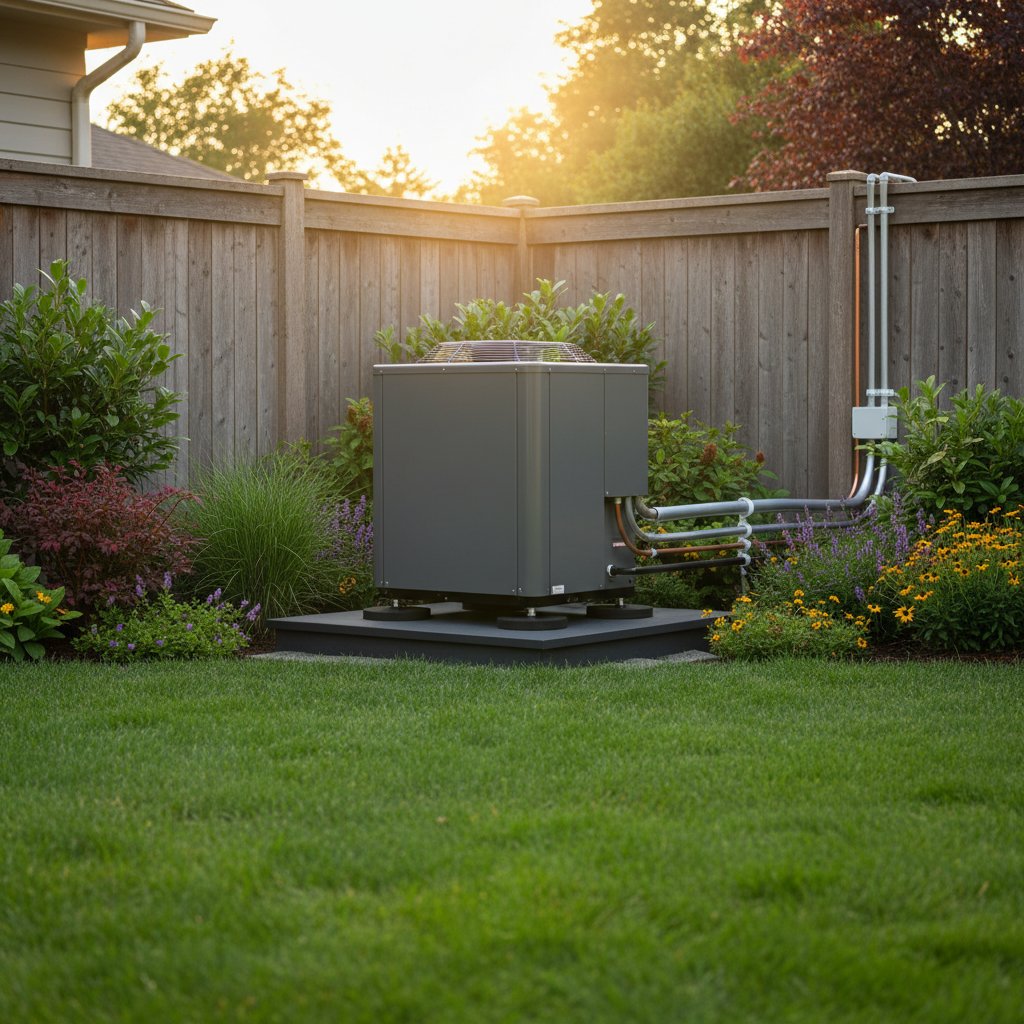
Combined solar thermal and heat pump backup system for landed property. Solar collectors handle 75% of annual hot water needs, with heat pump providing supplementary heating during extended cloudy periods. Total energy reduction of 82% compared to conventional electric heating.
View Details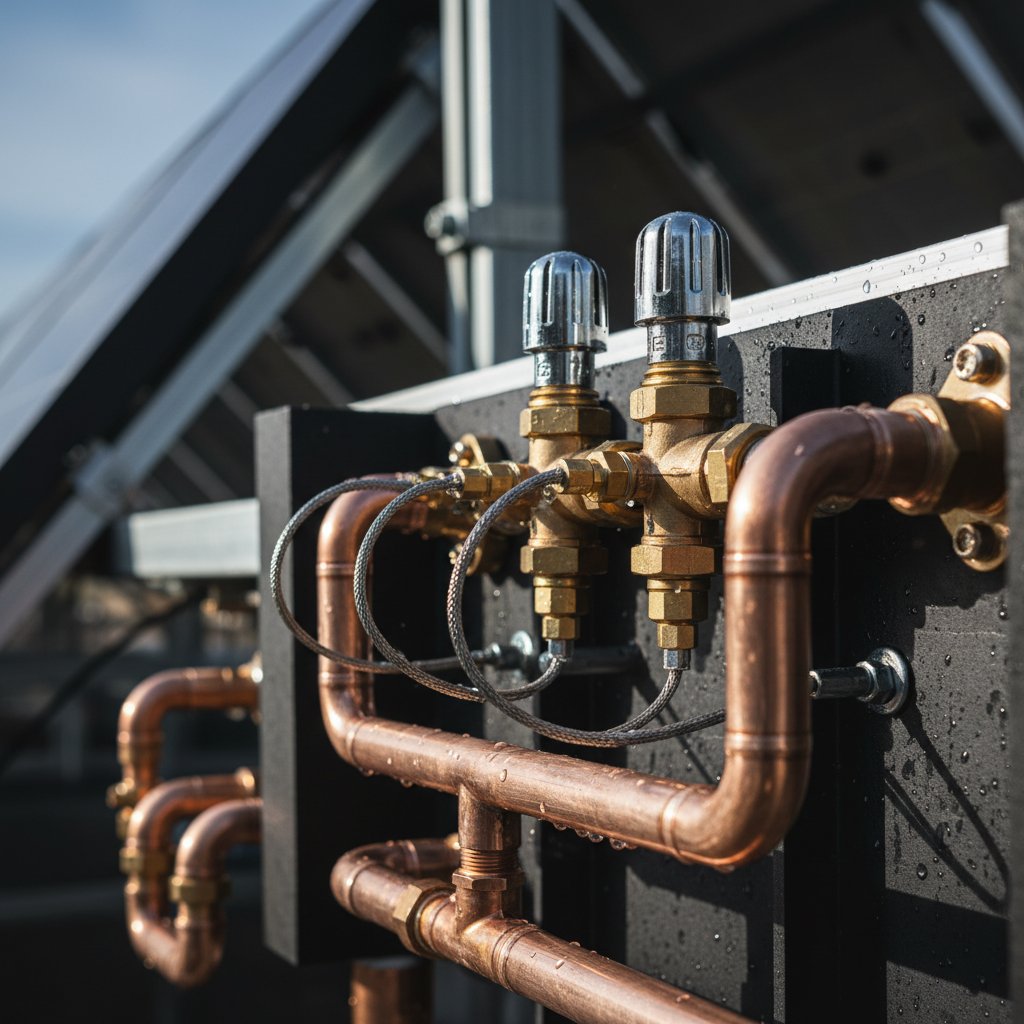
Replacement of aging electric water heaters with centralized heat pump system serving 40 rooms. Installation included 2,000-liter storage tank and smart controls. Property management reports monthly savings of S$1,200 with consistent hot water availability and reduced carbon footprint.
View Details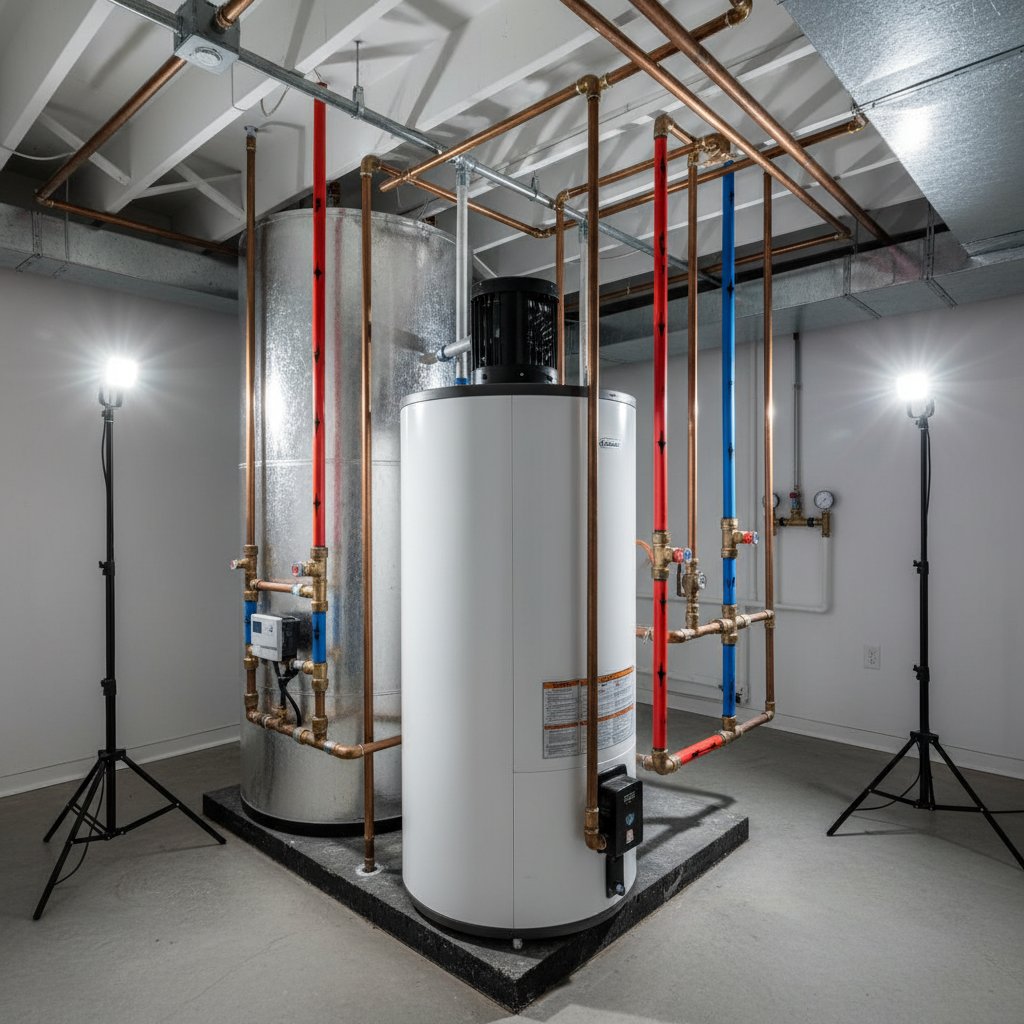
Heat pump water heater installed in semi-detached house replacing 15-year-old storage heater. New system provides 250 liters capacity with energy efficiency ratio of 4.2. Homeowner documented 71% reduction in water heating costs over first year of operation.
View DetailsUnderstanding the practical differences between these systems helps you make an informed choice based on your specific needs, location, and usage patterns in Singapore's tropical climate.
Solar water heaters use sunlight directly to heat water through thermal collectors, eliminating electricity costs during sunny conditions. In Singapore's equatorial location with 2,200 hours of sunshine annually, this translates to substantial utility bill reductions over the system's 15-20 year lifespan.
Electric heat pumps achieve a coefficient of performance (COP) between 3.0 and 4.5, meaning they produce three to four times more thermal energy than electrical energy consumed. This makes them more efficient than traditional resistance heaters, though they still require continuous power supply from the grid.
Solar collectors typically need 2-4 square meters of unshaded roof area per household member, while heat pumps require approximately 1 square meter of outdoor space with adequate ventilation. Consider your HDB flat or landed property layout when evaluating which system fits your available space.
Solar systems in Singapore range from S$2,500 to S$6,000 installed, while heat pumps cost between S$1,800 and S$4,500. However, solar installations may qualify for government incentives or green building credits, and their payback period typically occurs within 5-8 years through eliminated electricity costs.
Solar systems perform optimally during clear days but include backup electric elements for cloudy periods or nighttime use. Heat pumps maintain consistent performance regardless of weather, though their efficiency drops slightly during heavy rain. Singapore's reliable sunshine pattern favors solar technology for most of the year.
Solar collectors require annual cleaning to remove dust and debris, plus inspection of seals and connections every two years. Heat pumps need refrigerant checks, compressor servicing every 12-18 months, and filter cleaning quarterly. Both systems benefit from professional servicing to maintain optimal performance and warranty coverage.
A typical solar water heater prevents approximately 1.5 to 2.0 tonnes of CO2 emissions annually by displacing grid electricity. Heat pumps reduce emissions by about 0.8 to 1.2 tonnes compared to conventional electric heaters, but still rely on Singapore's power grid mix, which includes natural gas generation.
Quality solar thermal collectors last 15-20 years with proper maintenance, while storage tanks may need replacement after 10-12 years depending on water quality. Heat pump compressors typically operate for 10-15 years, with electronic components potentially requiring earlier replacement. Factor these timelines into your total cost calculations.
Solar systems heat water during daytime hours when electricity rates may be lower under time-of-use tariffs, storing thermal energy for evening use. Heat pumps draw power whenever hot water is needed, potentially during peak pricing periods. This timing difference affects your monthly utility expenses in Singapore's tiered electricity pricing structure.
Installing renewable energy systems can enhance property appeal to environmentally conscious buyers and may contribute to higher Green Mark ratings for buildings in Singapore. Solar installations are particularly valued in the resale market, while heat pumps are viewed as standard efficient appliances. Document your system specifications and energy savings for future property transactions.
Real numbers from Singapore's water heating sector, showing installation trends, energy performance data, and client outcomes across residential and commercial projects.