
The real cost of Solar water heaters vs. electric heat pumps: Long-term energy savings analysis: hidden expenses revealed
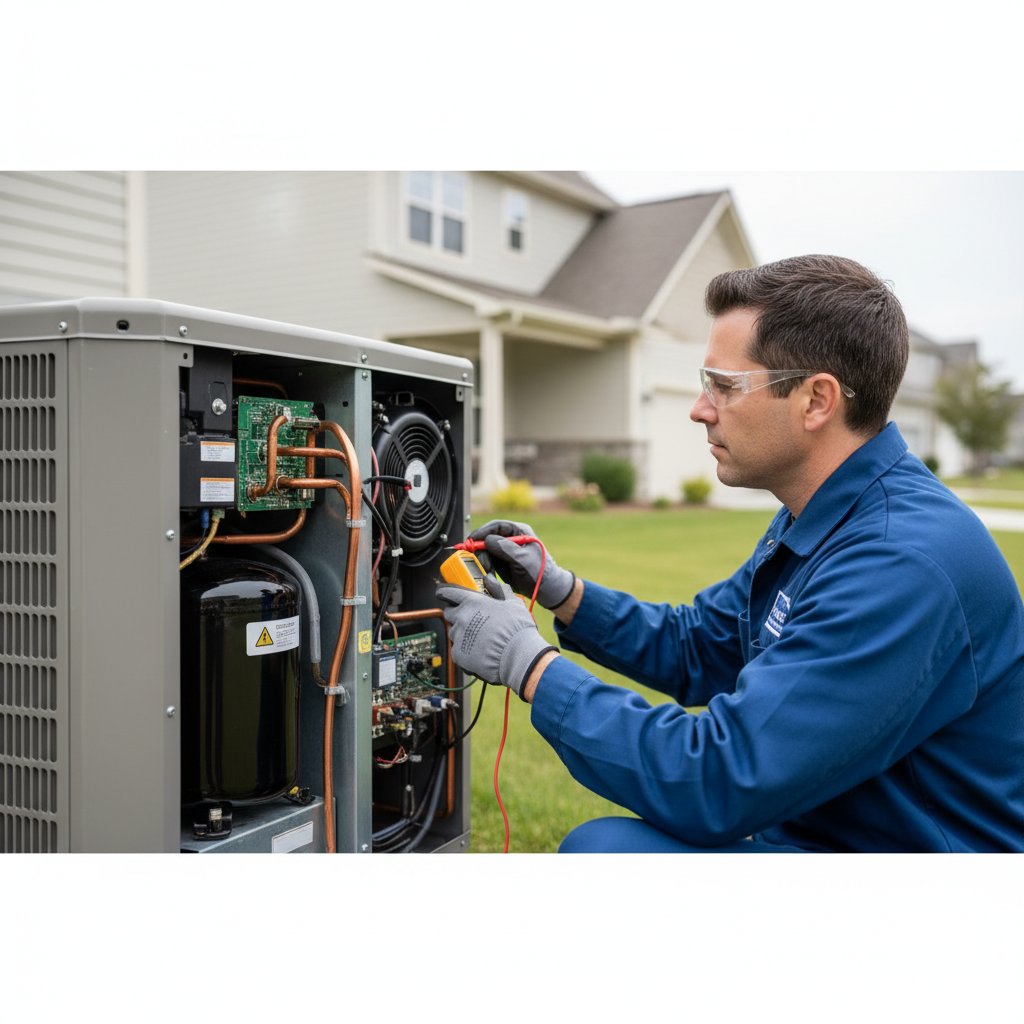
My neighbor Greg installed a solar water heater last spring. Six months later, he was standing in my driveway, arms crossed, telling me about a $800 repair bill for a corroded valve that "wasn't covered under warranty." Meanwhile, I'd just finished calculating my electric heat pump's energy costs—$23 for the month. His face said it all: "Maybe I should've done more homework."
This conversation happens more often than you'd think. Everyone fixates on those shiny upfront numbers and the promise of "free" energy from the sun. But the real financial story? It's buried in maintenance logs, insurance adjustments, and utility bills five years down the road.
The Upfront Investment Reality Check
Solar water heaters will hit your wallet for $3,000 to $9,000 installed, depending on system type and your roof situation. Active systems with pumps and controllers sit at the higher end. Passive systems cost less but work slower and need specific architectural setups.
Electric heat pump water heaters range from $1,200 to $3,500 installed. Yeah, that's roughly half to a third of solar costs right out of the gate.
But here's where it gets interesting. Federal tax credits currently cover 30% of solar installations through 2032. Some states throw in additional rebates. Heat pumps qualify for similar incentives—the Inflation Reduction Act offers up to $2,000 in tax credits, plus many utilities provide $500-$750 rebates.
The Hidden Expense Minefield
Solar Systems: More Than Sunshine and Rainbows
Greg's corroded valve? That's just the beginning. Solar water heaters need glycol fluid replacement every 3-5 years at $150-$300 per service. The collector panels require inspection annually—figure $100-$200 if you're paying someone who knows what they're doing.
Pump replacements run $400-$800 every 10-15 years. Controller failures? Another $300-$600. And if you live where it freezes, you'll need a drainback or closed-loop system with antifreeze, adding complexity and maintenance costs.
Homeowners insurance sometimes increases 2-5% with roof-mounted solar equipment. That's an extra $30-$100 annually that nobody mentions in the sales pitch.
Heat Pumps: The Stealth Costs
Heat pumps aren't maintenance-free either, but the expenses look different. Air filters need replacing every 3-6 months at $15-$30 each. The compressor—the heart of the system—typically lasts 10-15 years before requiring replacement at $800-$1,500.
Here's the kicker: heat pumps pull electricity. In areas with tiered electricity rates, they can bump you into higher cost brackets. A typical heat pump water heater draws 500-600 kWh annually. At $0.13 per kWh (national average), that's $65-$78 yearly. In California or Hawaii where rates hit $0.30+? You're looking at $150-$180 annually.
Cold climate performance matters too. When ambient temperatures drop below 40°F, efficiency plummets. Some units switch to backup resistance heating, which can triple operating costs during winter months.
The 20-Year Financial Snapshot
Let's run actual numbers for a family of four using 64 gallons of hot water daily:
Solar water heater total cost over 20 years:
Initial: $6,000 (after 30% tax credit)
Maintenance/repairs: $3,500
Insurance increases: $1,200
Energy savings vs. electric resistance: $12,000
Net position: +$1,300 savings
Heat pump water heater total cost over 20 years:
Initial: $1,800 (after rebates/credits)
Electricity costs: $1,400
Maintenance/repairs: $2,000
Energy savings vs. electric resistance: $10,000
Net position: +$4,800 savings
These calculations assume decent solar exposure and moderate electricity rates. Your mileage will absolutely vary.
What the Installers Won't Tell You
I spoke with Tom Chen, a mechanical engineer who's analyzed residential water heating systems for 15 years. His take? "Solar makes financial sense in three scenarios: you have exceptional solar exposure, high electricity rates above $0.25 per kWh, and you plan to stay in the home 15+ years. Otherwise, heat pumps deliver better ROI for most households."
He also pointed out something crucial: "Solar systems lose 0.5-1% efficiency annually from collector degradation. Heat pumps maintain consistent performance until component failure. That gradual decline erodes the solar advantage over time."
The Lifestyle Factor Nobody Calculates
Solar systems can run short on cloudy weeks. You'll need backup heating—usually electric resistance—which spikes costs exactly when you're already not getting solar benefit. Heat pumps deliver consistent performance regardless of weather, though cold ambient temps do reduce efficiency.
Roof work becomes complicated with solar collectors. Need new shingles? Add $800-$1,500 to remove and reinstall the system. Selling your house? Some buyers love solar; others see it as a maintenance liability that complicates roof warranties.
Key Takeaways
- Heat pumps typically offer better ROI in most US climates, with 20-year net savings averaging $3,000-$5,000 more than solar
- Solar wins in high-electricity-cost regions (above $0.25/kWh) with excellent sun exposure and long homeownership timelines
- Hidden costs for solar include: glycol replacement, insurance increases, roof work complications, and annual inspections
- Heat pump drawbacks: cold climate performance drops, electricity costs vary by region, compressor replacement needed after 10-15 years
- Maintenance reality: Solar requires more frequent professional service; heat pumps need simpler DIY upkeep
Greg eventually added a heat pump to supplement his solar system. "Best of both worlds," he claims, though I suspect it's more about avoiding another cold shower on a cloudy January morning. The smart money? Run the numbers for your specific situation—your roof angle, local electricity rates, climate zone, and honestly how long you'll stay put. The "greenest" choice isn't always the one that keeps the most green in your wallet.