
Solar water heaters vs. electric heat pumps: Long-term energy savings analysis in 2024: what's changed and what works
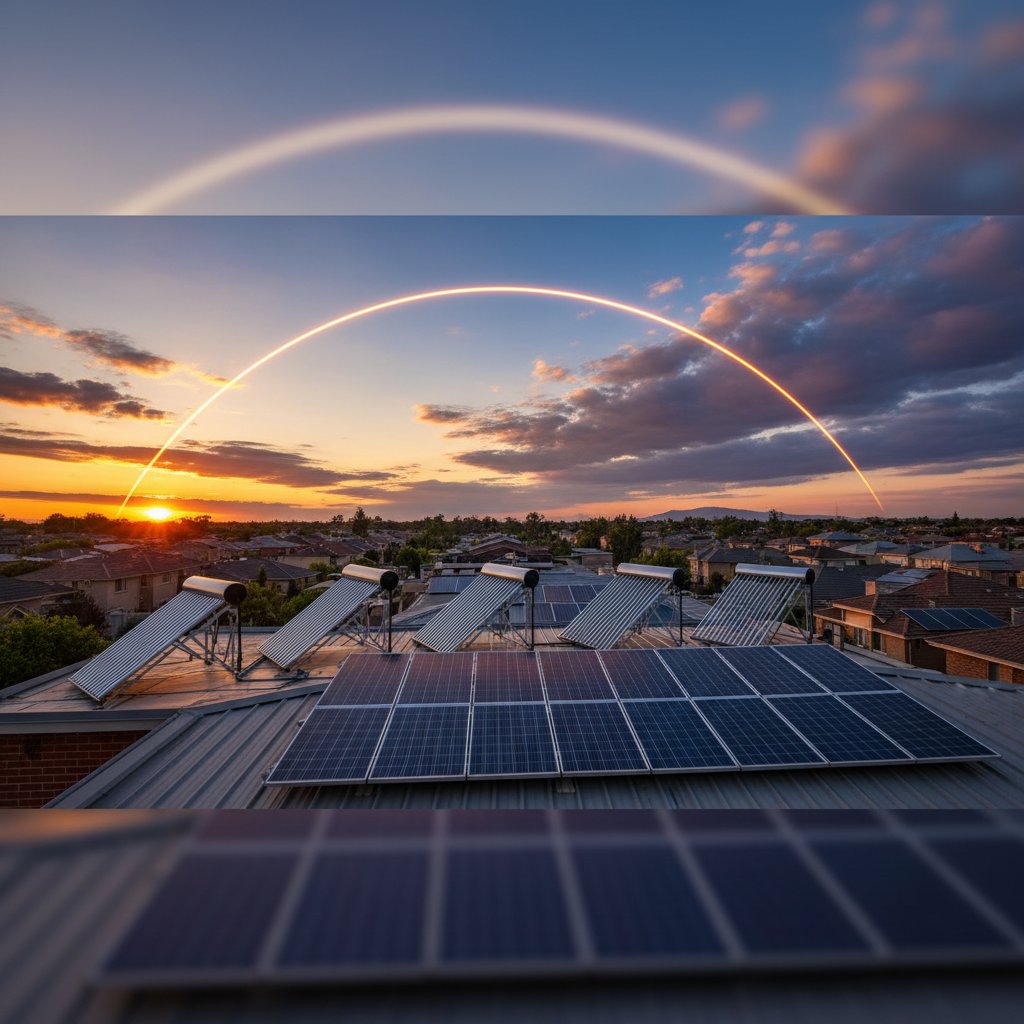
The hot water game has changed dramatically since 2024 rolled around. Energy prices keep doing their roller coaster thing, heat pump technology has gotten seriously smarter, and solar installations have become cheaper than anyone predicted five years ago. If you're still running that ancient electric tank heater, you're basically burning money while the planet quietly judges you.
Let me break down what actually matters when you're choosing between solar water heaters and electric heat pumps right now—no corporate fluff, just the real numbers and what they mean for your wallet.
1. Upfront Investment: The Sticker Shock Reality Check
Solar water heaters will hit your bank account for anywhere between $3,000 to $7,000 installed, depending on whether you're going with a simple batch system or a fancy evacuated tube setup with all the bells and whistles. That's not pocket change, but here's the thing: federal tax credits now cover 30% of that cost through 2032, which wasn't always the case.
Heat pumps run cheaper upfront—typically $1,800 to $3,500 for a quality unit with installation. The gap has narrowed considerably since 2023 when supply chain issues were making heat pumps scarce and expensive. You can now find solid 50-gallon heat pump water heaters that'll handle a family of four for under $2,000, which would've been fantasy talk three years ago.
The catch? Solar systems last 20-30 years with minimal maintenance, while heat pumps tap out around 10-15 years. Do the replacement math, and that changes the equation pretty dramatically.
2. Monthly Savings: What Actually Shows Up on Your Bill
A typical household dumping $50-70 monthly on electric water heating can slash that to $10-15 with solar in sunny climates. We're talking 70-85% savings once your system is humming along. Phoenix and San Diego homes are seeing payback periods as short as 4-6 years now.
Heat pumps deliver more modest but still impressive results—usually cutting your water heating costs by 50-65%. That same household drops from $60 to about $20-25 per month. Not as dramatic as solar, but you're not dependent on sunshine either. Seattle homeowners aren't exactly swimming in solar gains, but their heat pumps work just fine year-round.
3. Climate Dependency: Mother Nature's Vote
Solar thermal systems are absolute champions in the Sun Belt. But stick one in Vermont, and you'll need a backup heating system for roughly half the year. That backup usually runs on electricity or gas, which eats into your savings and adds complexity to your setup.
Modern heat pumps have gotten remarkably better in cold weather. The 2024 models work efficiently down to around 40°F, and they keep functioning (though less efficiently) well below freezing. Your basement or garage stays warm enough for decent performance even when it's nasty outside. This wasn't true five years ago—older models basically gave up when temperatures dropped.
4. Maintenance Reality: Time and Hassle Factor
Solar systems need surprisingly little attention. Flush the tank annually, check the glycol levels if you're in a freezing climate, maybe replace a sensor every decade. Total annual maintenance costs hover around $100-150 if you hire someone, or basically free if you're halfway handy.
Heat pumps demand more babysitting. Air filters need cleaning every few months (seriously, don't skip this), the condensate drain can clog, and the compressor eventually needs replacing. Budget $200-300 annually for upkeep and the occasional service call. They're essentially refrigerators running in reverse, so they inherit all the same mechanical quirks.
5. The Hybrid Approach: Why Not Both?
Here's what the smart money is doing in 2024: combining technologies. Install a solar thermal system as your primary heater, then use a small heat pump as backup instead of resistive electric heating. You get the massive solar savings on sunny days and efficient backup when you need it.
This setup costs more initially—figure $5,000-8,000 total—but it delivers 80-90% energy savings in most climates. Colorado and New Mexico installations are showing 6-8 year payback periods with this approach, which is pretty stunning considering you're future-proofed against grid failures and energy price spikes.
The control systems have gotten way smarter too. Your heat pump automatically kicks in only when solar can't keep up, and modern controllers learn your usage patterns. No more cold showers because you forgot to factor in cloudy weather.
6. Resale Value and Future-Proofing
Properties with solar installations are selling for 3-4% premiums in most markets right now. Appraisers actually recognize the value, which wasn't always true. Heat pumps add value too, but buyers see them more as "expected modern appliances" than premium features.
Looking ahead, electricity rates keep climbing 3-5% annually in most regions. Every year you wait, the savings from either system become more dramatic. But solar locks in your water heating costs essentially forever, while heat pumps just make you less vulnerable to rate increases.
Your best move? Crunch your specific numbers based on local solar resources, electricity rates, and available incentives. A solar setup in Arizona is a no-brainer. A heat pump in Oregon makes way more sense. And if you're in Texas with both sunshine and reasonable installation costs? Maybe it's time to get serious about that hybrid system.