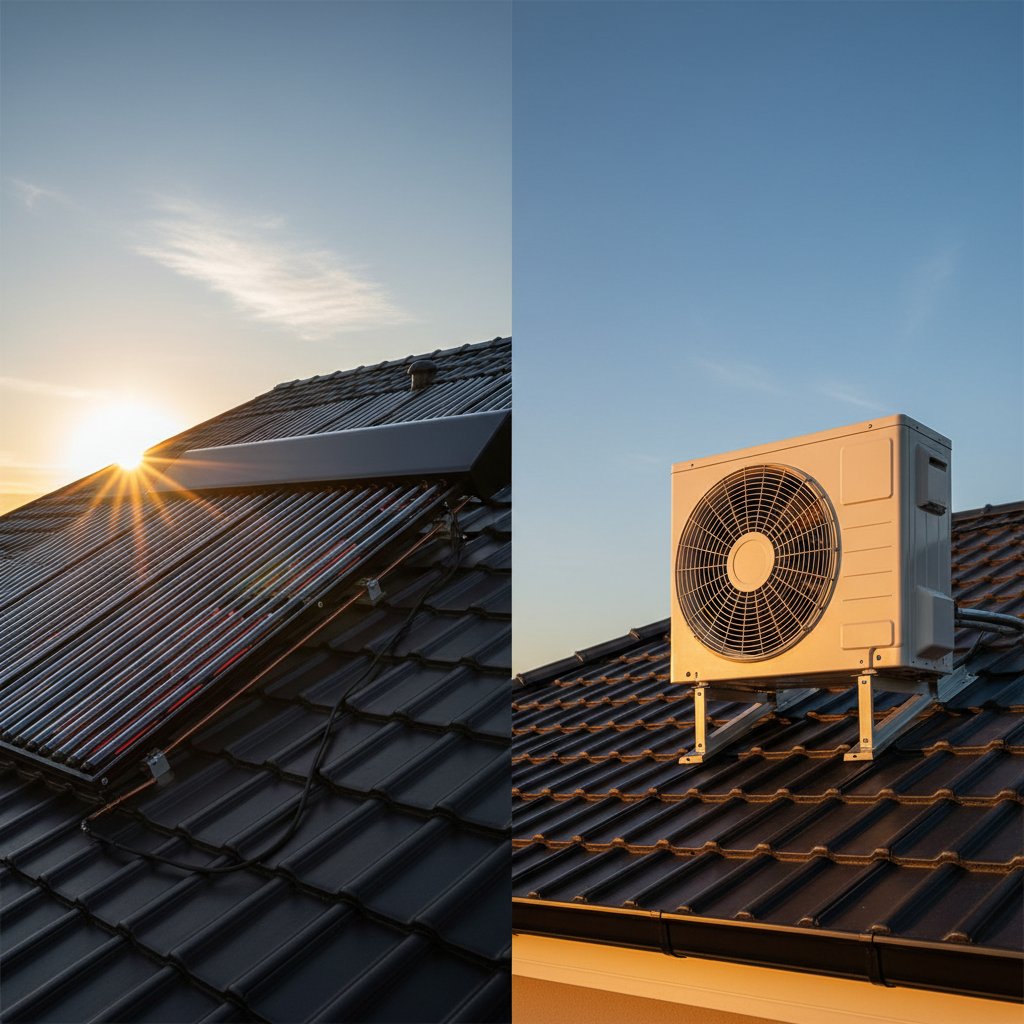
Choosing between solar water heaters and electric heat pumps requires understanding both systems' performance in Singapore's tropical climate. Solar water heaters harness abundant sunlight to provide hot water with minimal operating costs, while electric heat pumps offer consistent performance regardless of weather conditions. Our analysis examines upfront installation costs, monthly electricity consumption, maintenance requirements, and equipment lifespan to calculate actual savings over 10, 15, and 20 years. We evaluate factors specific to Singapore properties: roof orientation, available space, household size, daily hot water usage patterns, and local electricity tariffs. Whether you prioritize environmental impact, return on investment, or operational reliability, this comparison provides the data you need. Understanding these technologies helps homeowners and property managers select the system that delivers the best value for their specific situation. Both options reduce energy waste compared to traditional electric tank heaters, but the optimal choice depends on your property characteristics and usage requirements.
Detailed cost comparison over 10-20 year lifecycle periods
Singapore-specific climate and electricity rate calculations
Real property case studies from HDB flats and landed homes
Installation requirements and space considerations analyzed
Maintenance schedules and long-term reliability data
Environmental impact and carbon footprint assessment
ROI timelines based on actual household consumption patterns
We provide comprehensive analysis and installation services for both solar water heating systems and electric heat pump solutions. Each service is designed to help you understand long-term savings, efficiency metrics, and return on investment for your specific needs.
Solar Water Heater Installation
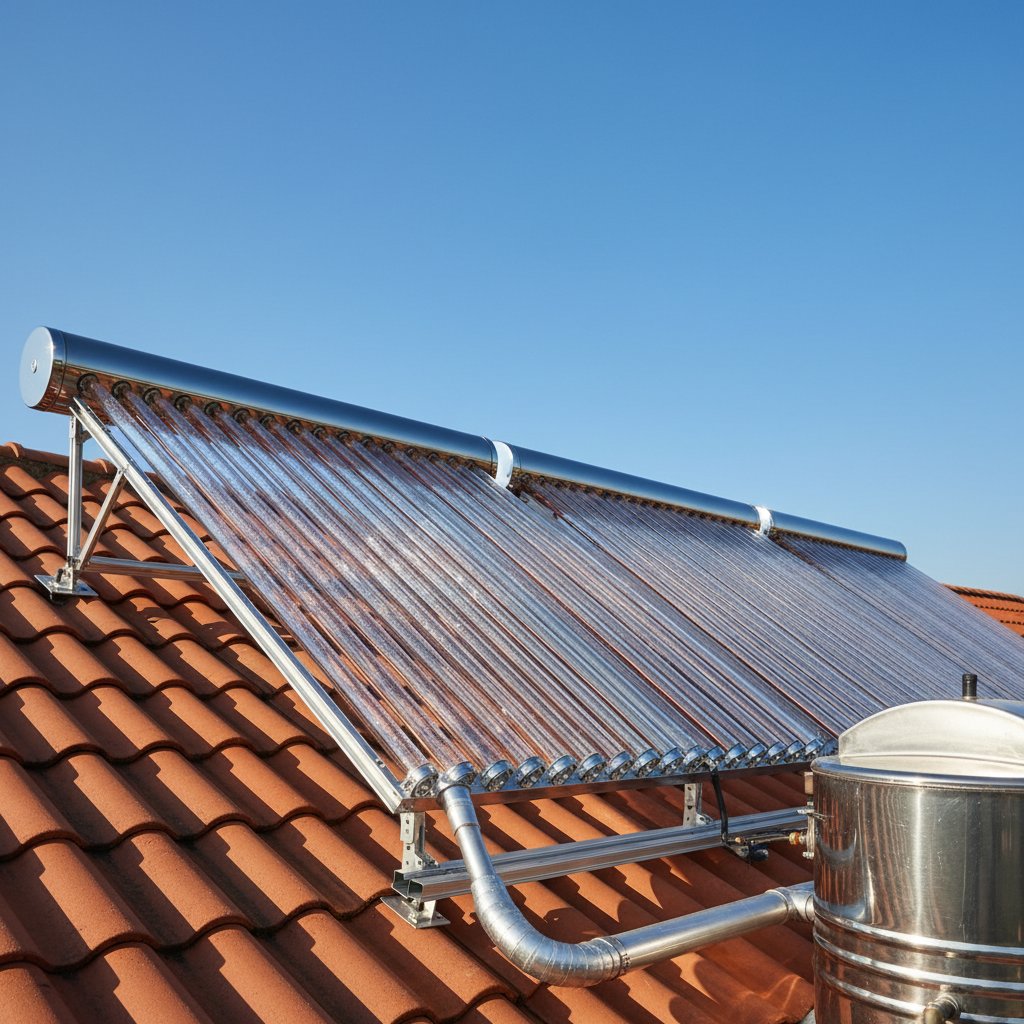
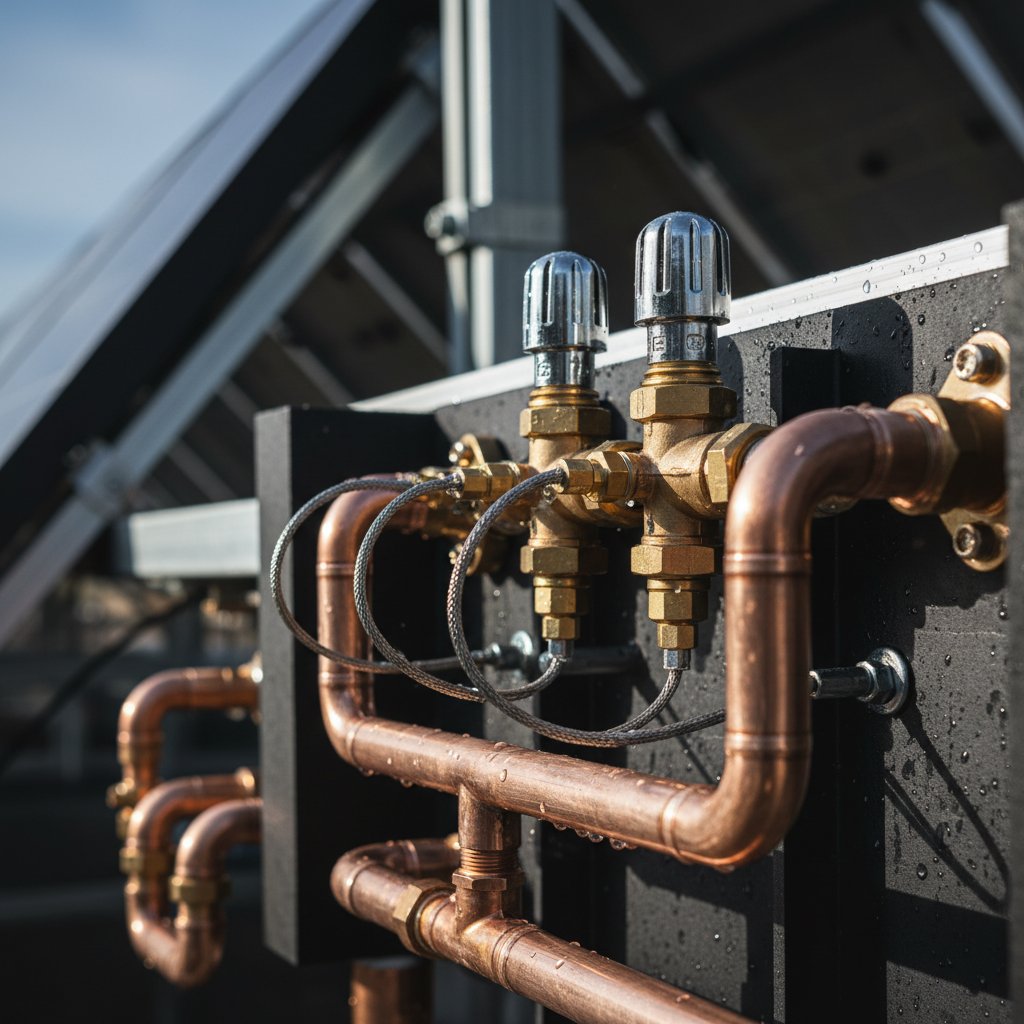
Complete installation of flat plate or evacuated tube collectors on residential or commercial properties. Includes mounting hardware, piping, storage tank connection, and initial system testing. Our certified technicians ensure optimal panel orientation for maximum solar gain throughout the year. System sizing is calculated based on household water consumption patterns and available roof space.
S$3,800
Includes 3-year warranty, annual maintenance check
Heat Pump System Setup
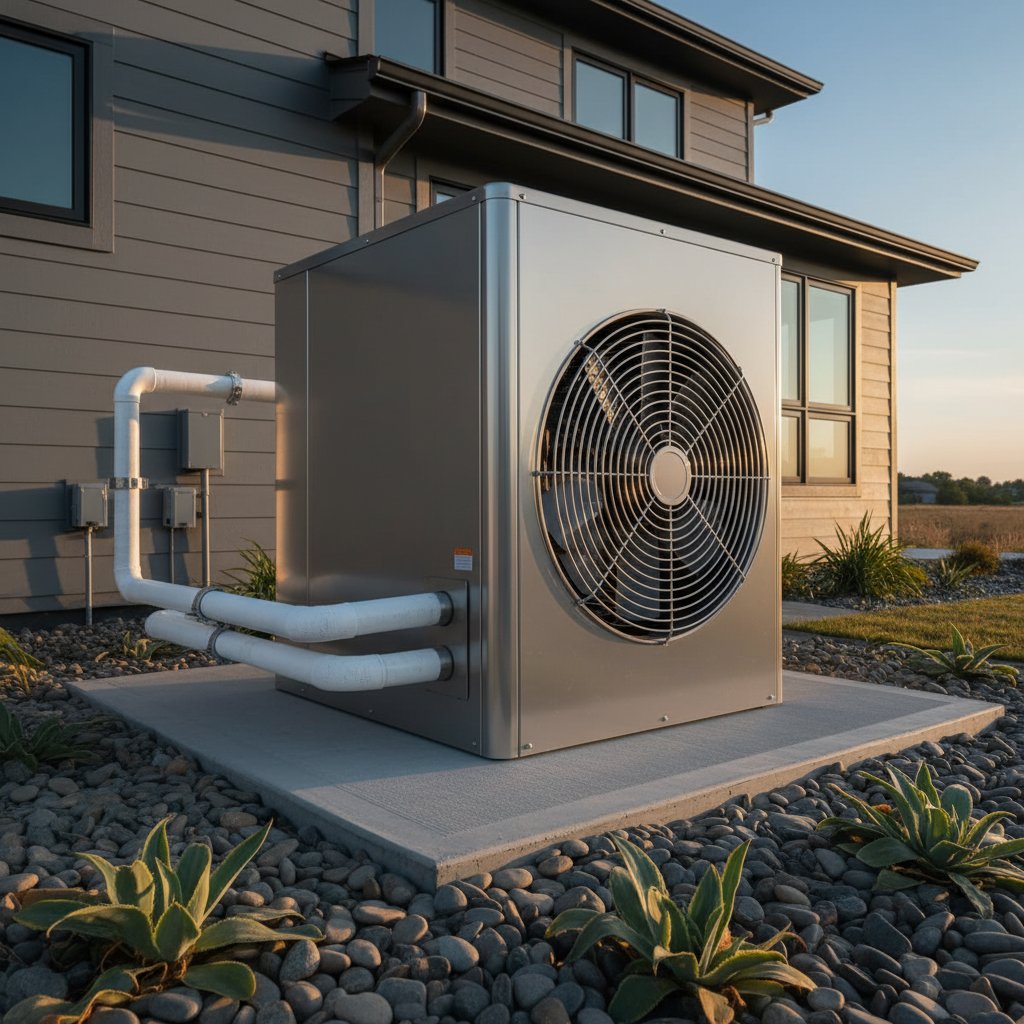
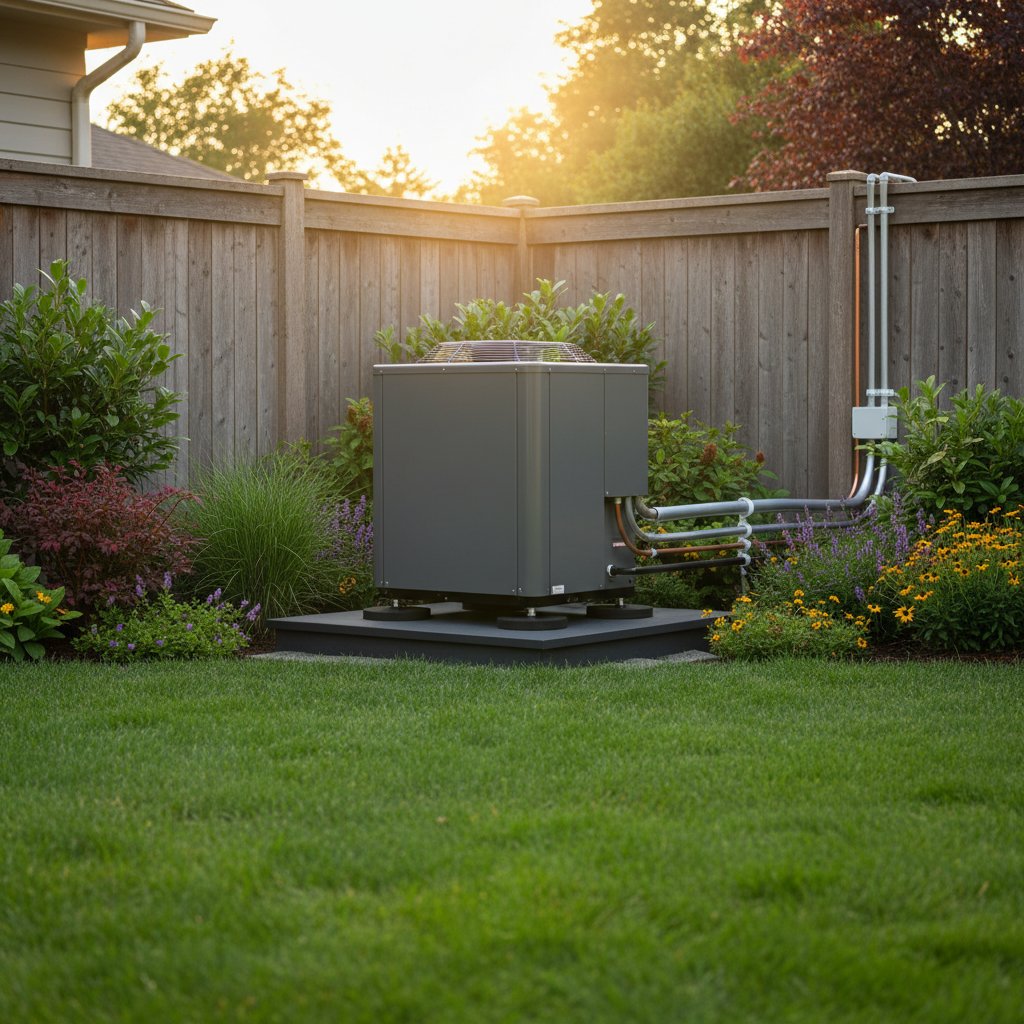
Professional installation of air-source or ground-source heat pump water heaters with energy efficiency ratings up to COP 4.5. Service covers electrical connections, refrigerant charging, outdoor unit mounting, and indoor tank placement. We handle all necessary permits and ensure compliance with local building codes. Post-installation performance monitoring included for first month of operation.
S$5,200
5-year manufacturer warranty, quarterly maintenance included first year
Energy Consumption Analysis
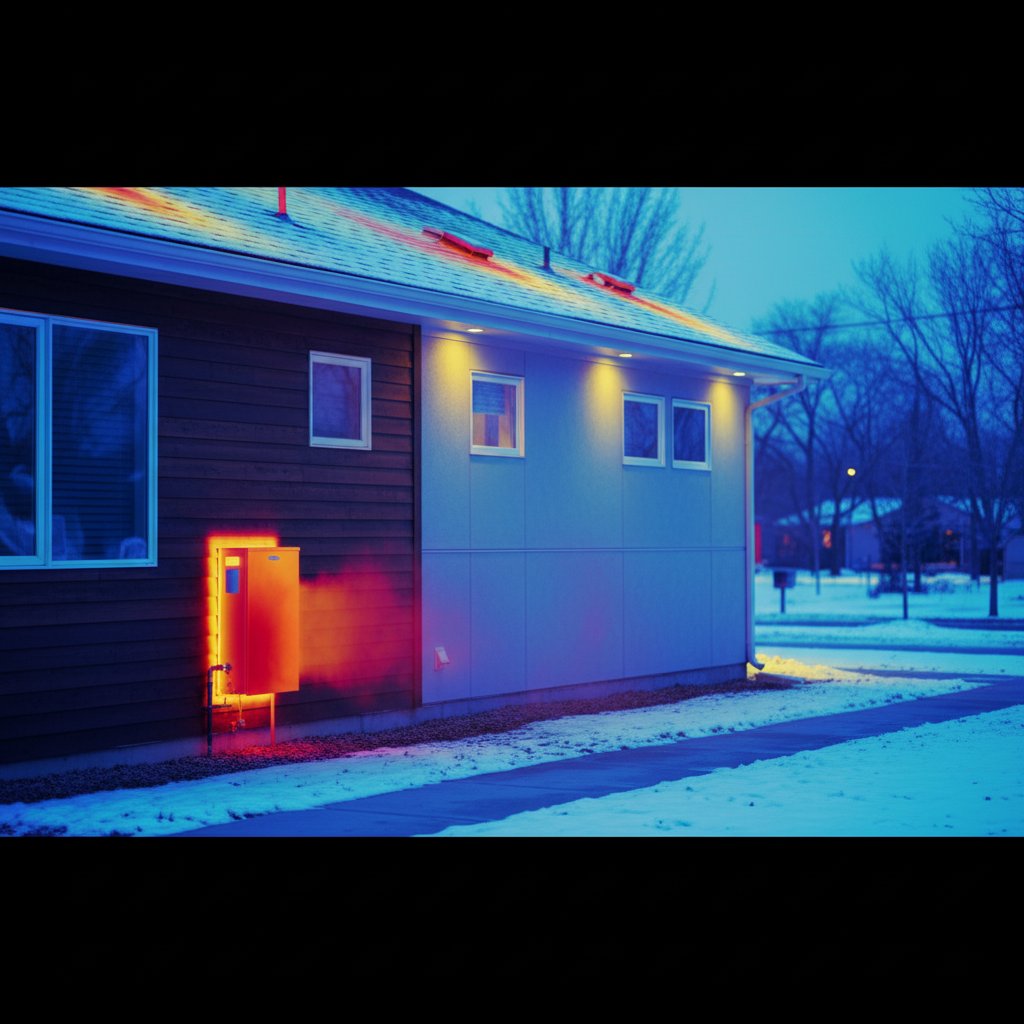
Detailed assessment of your current water heating energy usage with 12-month historical data review. We measure peak demand periods, identify inefficiencies, and calculate baseline costs. Analysis includes thermal imaging of existing systems, temperature profiling, and standby loss measurements. Report provides comparison between maintaining current system versus upgrading to solar or heat pump technology with projected savings.
S$450
Comprehensive 25-page report delivered within 5 business days
ROI Projection Service
Financial modeling that calculates payback periods for solar water heaters versus electric heat pumps based on your specific usage patterns. We factor in equipment costs, installation expenses, maintenance schedules, energy price trends, and available government rebates. Analysis spans 15-year lifecycle with sensitivity testing for various scenarios. Includes breakeven timeline and cumulative savings graphs for easy decision-making.
S$380
Updated projections provided if energy tariffs change within 6 months
System Maintenance Package
Annual servicing for existing solar or heat pump installations covering collector cleaning, pump inspection, pressure testing, and thermostat calibration. Technicians check for leaks, verify electrical connections, test safety valves, and measure system efficiency. Service includes fluid replacement for closed-loop solar systems and refrigerant level checks for heat pumps. Priority scheduling and discounted emergency callouts included throughout contract period.
S$280
Per visit, or S$750 for annual contract with 3 scheduled visits
Hybrid System Design
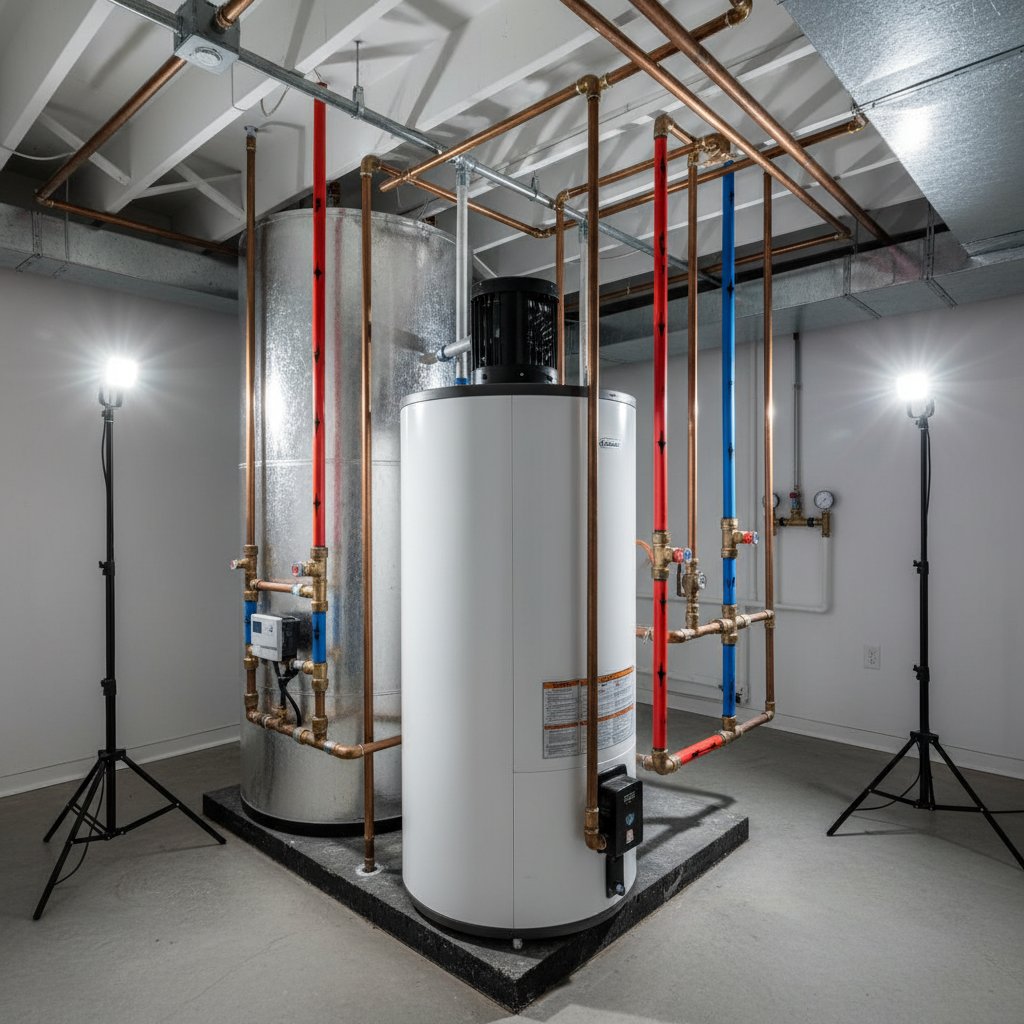
Custom engineering of combined solar-heat pump configurations that maximize efficiency year-round. Solar collectors handle primary heating during sunny periods while heat pump provides backup during extended cloudy weather or high demand. Design includes intelligent controller programming, optimal storage tank sizing, and integration with existing plumbing infrastructure. System automatically switches between energy sources based on real-time conditions and cost optimization algorithms.
S$6,800
Includes both systems, installation, and smart controller with monitoring app
Site Assessment Survey
On-site evaluation to determine feasibility of solar water heater or heat pump installation at your property. Survey includes roof structural analysis, shading study using solar pathfinder, electrical panel capacity review, and water pressure testing. We measure available space, assess sun exposure hours across seasons, and identify optimal equipment placement. Detailed site report includes photos, measurements, and preliminary system recommendations with estimated performance outputs.
S$180
Fee waived if you proceed with installation service within 60 days
Comparative Cost Analysis
Side-by-side financial comparison of operating costs between solar water heaters and electric heat pumps over multiple timeframes. Analysis factors in equipment lifespan, degradation rates, maintenance expenses, and replacement costs. We calculate cost per liter of hot water produced, accounting for seasonal variations in Singapore climate. Report includes sensitivity analysis for different usage levels from small apartments to large family homes with multiple bathrooms.
S$420
Includes executive summary and detailed spreadsheet with customizable variables
Performance Monitoring Setup
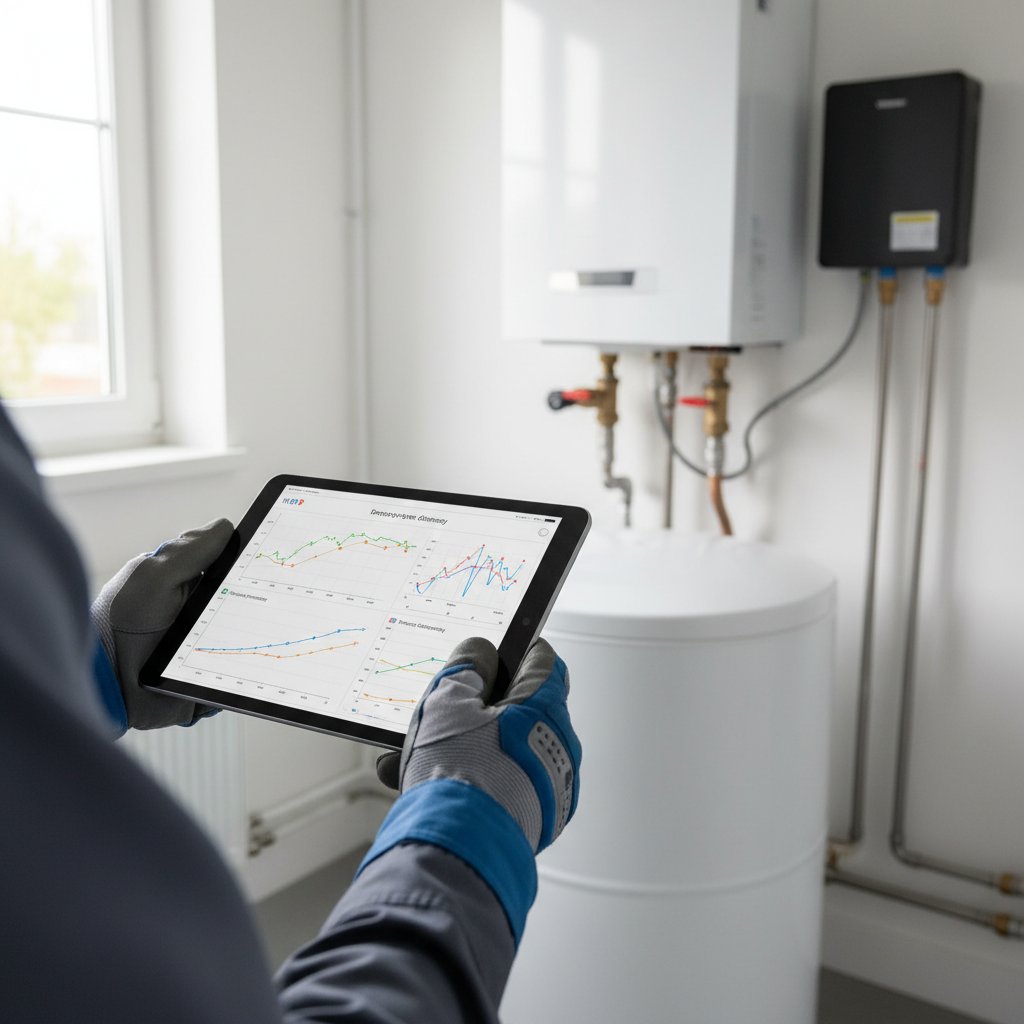
Installation of wireless monitoring equipment that tracks system performance metrics in real-time through mobile app and web dashboard. Sensors measure water temperature, flow rates, energy consumption, and solar irradiance for solar systems or compressor runtime for heat pumps. Historical data logging enables trend analysis and efficiency optimization. System sends alerts for anomalies, maintenance reminders, and provides monthly performance reports comparing actual versus expected outputs.
S$680
Hardware included, first year cloud service free, S$120/year thereafter
Rebate Application Assistance
Complete support with government incentive programs and utility company rebates for energy-efficient water heating systems. We handle paperwork, gather required documentation, submit applications on your behalf, and follow up with relevant agencies. Service includes verification that your chosen system meets all eligibility criteria before purchase. Our team stays current with changing rebate programs, deadlines, and qualification requirements to maximize your financial benefits from available incentives.
S$250
Success-based pricing: full refund if rebate application denied
Key Factors in Your Water Heating Decision
Understanding the practical differences between these systems helps you make an informed choice based on your specific needs, location, and usage patterns in Singapore's tropical climate.
Zero Electricity for Heating
Solar water heaters use sunlight directly to heat water through thermal collectors, eliminating electricity costs during sunny conditions. In Singapore's equatorial location with 2,200 hours of sunshine annually, this translates to substantial utility bill reductions over the system's 15-20 year lifespan.
Heat Pump Efficiency Rating
Electric heat pumps achieve a coefficient of performance (COP) between 3.0 and 4.5, meaning they produce three to four times more thermal energy than electrical energy consumed. This makes them more efficient than traditional resistance heaters, though they still require continuous power supply from the grid.
Installation Space Requirements
Solar collectors typically need 2-4 square meters of unshaded roof area per household member, while heat pumps require approximately 1 square meter of outdoor space with adequate ventilation. Consider your HDB flat or landed property layout when evaluating which system fits your available space.
Upfront Investment Comparison
Solar systems in Singapore range from S$2,500 to S$6,000 installed, while heat pumps cost between S$1,800 and S$4,500. However, solar installations may qualify for government incentives or green building credits, and their payback period typically occurs within 5-8 years through eliminated electricity costs.
Weather Dependency Analysis
Solar systems perform optimally during clear days but include backup electric elements for cloudy periods or nighttime use. Heat pumps maintain consistent performance regardless of weather, though their efficiency drops slightly during heavy rain. Singapore's reliable sunshine pattern favors solar technology for most of the year.
Maintenance Schedule Differences
Solar collectors require annual cleaning to remove dust and debris, plus inspection of seals and connections every two years. Heat pumps need refrigerant checks, compressor servicing every 12-18 months, and filter cleaning quarterly. Both systems benefit from professional servicing to maintain optimal performance and warranty coverage.
Carbon Footprint Reduction
A typical solar water heater prevents approximately 1.5 to 2.0 tonnes of CO2 emissions annually by displacing grid electricity. Heat pumps reduce emissions by about 0.8 to 1.2 tonnes compared to conventional electric heaters, but still rely on Singapore's power grid mix, which includes natural gas generation.
Expected Lifespan Duration
Quality solar thermal collectors last 15-20 years with proper maintenance, while storage tanks may need replacement after 10-12 years depending on water quality. Heat pump compressors typically operate for 10-15 years, with electronic components potentially requiring earlier replacement. Factor these timelines into your total cost calculations.
Peak Demand Management
Solar systems heat water during daytime hours when electricity rates may be lower under time-of-use tariffs, storing thermal energy for evening use. Heat pumps draw power whenever hot water is needed, potentially during peak pricing periods. This timing difference affects your monthly utility expenses in Singapore's tiered electricity pricing structure.
Property Value Considerations
Installing renewable energy systems can enhance property appeal to environmentally conscious buyers and may contribute to higher Green Mark ratings for buildings in Singapore. Solar installations are particularly valued in the resale market, while heat pumps are viewed as standard efficient appliances. Document your system specifications and energy savings for future property transactions.
Stay Informed on Energy Solutions
Receive practical insights on water heating systems, energy efficiency comparisons, and cost analysis. Our monthly updates include real data from Singapore installations, maintenance tips, and regulatory changes affecting your heating choices.
✓
Monthly cost comparison updates with current electricity rates
✓
Technical guides on system maintenance and optimization
✓
Installation case studies from residential projects across Singapore
Frequently Asked Questions
Find detailed answers to common questions about water heating systems, energy efficiency, and long-term cost considerations for residential and commercial applications.
Solar water heaters typically have minimal operating costs since they rely primarily on sunlight, which is free. Your main expenses involve occasional maintenance and pump electricity if using an active system. In Singapore's climate, expect monthly costs of S$5-15 for auxiliary heating during cloudy periods.
Electric heat pumps consume electricity but use it efficiently, drawing ambient heat from the air. Monthly operating costs typically range from S$30-60 for a household of four, depending on usage patterns and electricity rates. Heat pumps maintain consistent performance regardless of weather, providing reliable hot water year-round without relying on sunshine availability.
Solar water heaters in Singapore typically achieve payback within 5-8 years. The initial investment ranges from S$3,000-6,000 for residential systems, with annual savings of S$400-800 compared to conventional electric heaters. Government rebates and incentives can reduce payback periods by 1-2 years.
Heat pumps generally have a shorter payback period of 3-5 years, with initial costs between S$2,500-4,500. Annual savings typically reach S$600-1,000 compared to traditional electric resistance heaters. The faster recovery stems from lower upfront costs and consistent energy savings throughout the year, independent of weather conditions.
Singapore's abundant sunshine makes solar water heaters highly effective, with systems typically achieving 70-90% of hot water needs through solar energy alone. The consistent tropical temperatures and high solar irradiance levels create ideal conditions for thermal collectors. However, frequent afternoon thunderstorms and cloudy periods require backup heating elements.
Heat pumps also perform excellently in tropical conditions, as warm ambient air temperatures increase their efficiency. Singapore's year-round warmth means heat pumps maintain coefficient of performance (COP) values of 3.5-4.5 consistently, extracting heat energy effectively regardless of cloud cover or rain. This reliability makes them particularly suitable for commercial applications requiring constant hot water availability.
Solar water heaters require annual inspections costing S$100-200, including checking collector panels for damage, inspecting pipe connections, testing pressure relief valves, and flushing the system to prevent mineral buildup. Collector glass may need cleaning every 3-6 months in urban areas. Expect to replace the circulation pump every 8-10 years at a cost of S$300-500.
Heat pumps need filter cleaning every 2-3 months and professional servicing annually at S$150-250. This includes refrigerant level checks, electrical connection inspections, and compressor performance testing. The compressor typically lasts 10-15 years before requiring replacement at S$800-1,200. Overall, heat pumps generally have slightly lower maintenance costs over their lifespan.
A typical residential solar water heater for a family of four requires 3-5 square meters of roof space for flat plate collectors, or 2-3 square meters for more efficient evacuated tube collectors. The area must receive direct sunlight for at least 5-6 hours daily, ideally facing south with minimal shading from nearby buildings or trees.
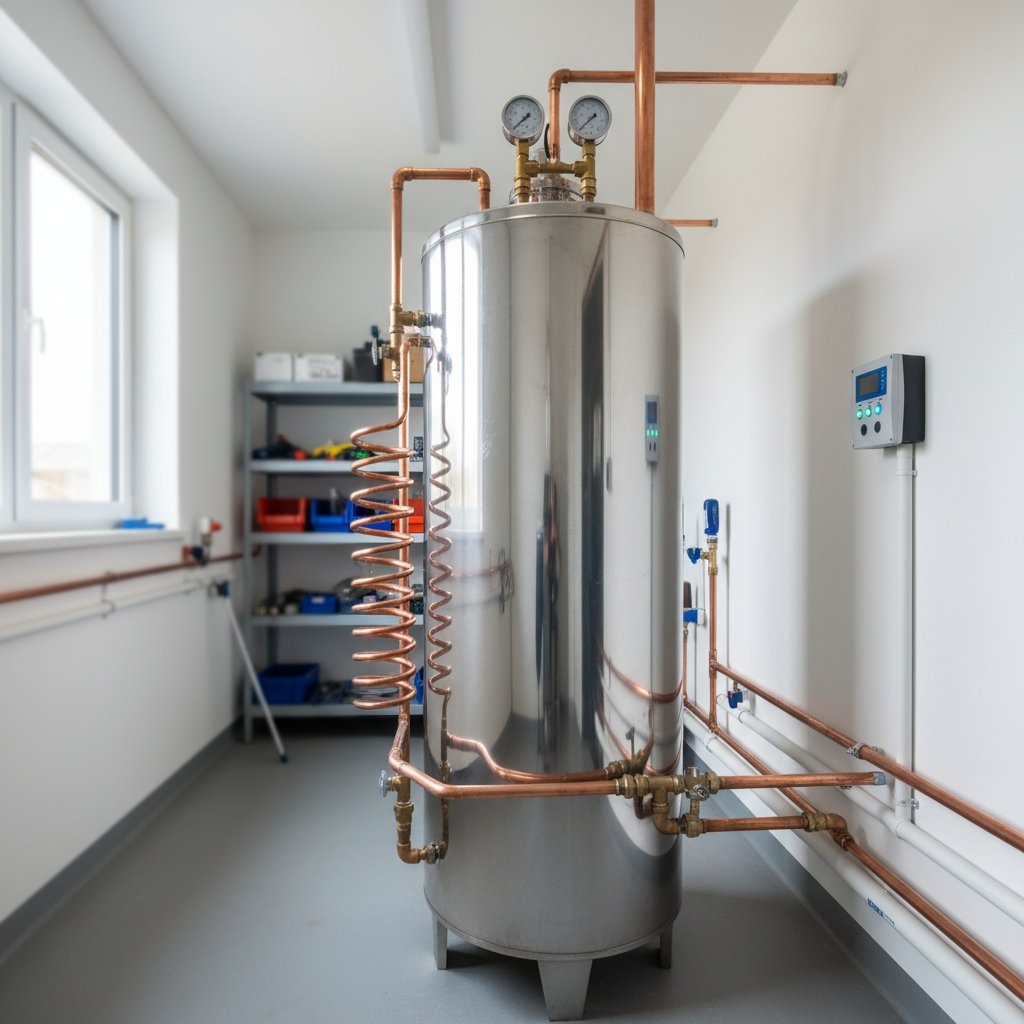
The storage tank, usually 150-300 liters for residential use, needs additional space either on the roof or inside the building. Consider structural load capacity, as a complete system weighs 200-400 kg when filled. Heat pumps, by contrast, require minimal space—typically just 1 square meter for the outdoor unit, making them suitable for properties with limited roof access or shading issues.
Solar water heaters typically last 15-20 years with proper maintenance. Collector panels often carry warranties of 10-15 years, while storage tanks last 12-18 years depending on water quality and usage. The system has fewer moving parts, which contributes to longevity. However, components exposed to weather may degrade faster in tropical conditions with high humidity and occasional storms.
Heat pumps generally have a lifespan of 12-15 years, with the compressor being the critical component. Modern units feature improved refrigerants and better corrosion protection suitable for coastal environments. While the overall lifespan is slightly shorter than solar systems, heat pumps often maintain more consistent performance throughout their operational life without the gradual efficiency decline sometimes seen in aging solar collectors.
Both systems scale effectively for larger demands. Solar installations can be expanded by adding more collector panels and larger storage tanks. A system for 6-8 people typically requires 6-8 square meters of collectors and a 300-400 liter tank. Commercial applications like hotels or gyms often use multiple interconnected systems or large-scale installations with 20-50 square meters of collectors.
Heat pumps also scale well, with commercial-grade units available in capacities from 500 liters to several thousand liters. Multiple units can work in parallel for very high demands. For commercial applications requiring constant hot water availability, heat pumps often prove more practical since they don't depend on weather conditions and can maintain consistent output during peak usage periods throughout the day.
Solar water heaters provide excellent protection against rising electricity costs since they generate hot water using free sunlight. As electricity rates increase, your savings grow proportionally. If rates rise from S$0.25 to S$0.35 per kWh over ten years, your annual savings could increase from S$500 to S$700 without any changes to your system.
Heat pumps remain cost-effective even with tariff increases because they use electricity three to four times more efficiently than conventional heaters. A 40% increase in electricity rates might raise your annual operating costs from S$450 to S$630, but you still save significantly compared to traditional electric heaters, which would cost S$1,800-2,500 annually at the higher rate.
Solar water heaters include backup electric heating elements that activate automatically when solar energy is insufficient. During monsoon seasons with several consecutive cloudy days, the backup heater maintains water temperature, though this increases electricity consumption temporarily. Most systems store enough thermal energy to provide hot water for 24-36 hours without sunshine.
Heat pumps continue operating normally during cloudy weather since they extract heat from ambient air rather than direct sunlight. If a heat pump fails, most units have built-in electric backup elements that provide hot water while repairs are arranged. This redundancy ensures continuous hot water availability, making heat pumps particularly reliable for applications where interruptions cannot be tolerated.
Singapore offers various incentives for energy-efficient water heating systems through programs administered by the Building and Construction Authority (BCA) and the Energy Market Authority (EMA). Solar water heaters may qualify for Green Mark incentives and grants that can offset 20-30% of installation costs for qualifying buildings.
Heat pumps certified under energy efficiency schemes may also receive rebates or tax benefits. Commercial properties implementing either system as part of broader energy efficiency upgrades can access funding through the Energy Efficiency Fund. Check current program availability and eligibility requirements, as incentive structures change periodically based on national sustainability goals and budget allocations.
HDB flats typically have limited roof access and shared common areas, making heat pumps the more practical choice. The compact outdoor unit can be installed on service balconies or external walls, requiring minimal space and no roof modifications. Installation is simpler and doesn't involve structural considerations related to shared building elements.
Landed properties with private roof access can accommodate either system effectively. Solar water heaters make excellent use of available roof space and provide maximum long-term savings. However, properties with significant shading from trees or neighboring buildings may achieve better results with heat pumps. Consider your specific site conditions, available space, and whether you prioritize maximum energy independence or consistent performance.
Solar water heater installation costs S$3,000-6,000 for residential systems, including collectors, storage tank, piping, and labor. Roof-mounted installations may require structural reinforcement, adding S$500-1,000. Complex installations with long pipe runs or difficult roof access increase costs. The price includes mounting frames, insulated piping, and electrical connections for backup heating elements.
Heat pump installations typically cost S$2,500-4,500, including the unit, installation labor, and electrical work. The lower cost reflects simpler installation requirements—no roof work, shorter pipe runs, and standard electrical connections. Additional costs may include upgraded electrical circuits if your existing system cannot handle the load. Both systems require licensed professionals for proper installation and warranty validation.
Solar water heaters offer exceptional environmental benefits by directly converting sunlight to thermal energy without emissions. A typical residential system prevents 1.5-2.5 tons of CO2 emissions annually compared to conventional electric heaters. Over a 20-year lifespan, this equals removing a car from the road for 3-4 years. The technology uses no refrigerants and has minimal environmental impact during operation.
Heat pumps reduce carbon emissions by 60-70% compared to electric resistance heaters, preventing approximately 1.0-1.8 tons of CO2 annually. While they use electricity and contain refrigerants requiring proper disposal, modern units employ environmentally friendly refrigerants with low global warming potential. Both systems contribute significantly to reducing household carbon footprints and supporting Singapore's climate action goals.
Professional installation is strongly recommended and often required for both systems. Solar water heaters involve roof work, structural considerations, plumbing connections, and electrical wiring that require licensed contractors. Improper installation can void warranties, create safety hazards, and result in poor performance. Singapore regulations require licensed plumbers for water system modifications and electricians for electrical connections.
Heat pump installation requires refrigerant handling, which legally requires certified technicians. Electrical work must meet safety standards and building codes. Professional installation ensures proper sizing, correct placement for optimal performance, and warranty coverage. The installation cost represents 20-30% of total system cost—attempting DIY installation risks damaging expensive equipment and creating safety issues that cost more to rectify than professional installation.
Solar water heaters can experience mineral buildup in collectors and storage tanks, particularly in areas with hard water. Singapore's water is relatively soft, but scale accumulation still occurs over time, reducing heat transfer efficiency. Annual flushing and descaling maintain performance. Stagnant water in collectors during low-use periods can accelerate corrosion, making regular circulation important.
Heat pumps are less affected by water quality since water doesn't flow through the refrigerant system. However, the heat exchanger where water is heated can accumulate scale, reducing efficiency. Installing a water softener or using periodic descaling treatments extends component life. Both systems benefit from regular maintenance addressing water quality issues, with proper care ensuring optimal performance throughout their operational lifespan.
Solar water heaters operate silently since they have no moving parts except for circulation pumps in active systems. These pumps produce minimal noise, typically 30-40 decibels—quieter than normal conversation. The system is virtually unnoticeable during operation, making it ideal for noise-sensitive environments or properties where outdoor units might disturb neighbors.
Heat pumps generate 45-55 decibels during operation, comparable to a quiet conversation or background music. The compressor and fan create a steady hum that most people find unobtrusive. Modern units feature noise-reduction technology and can be positioned to minimize impact on living spaces. Consider placement away from bedrooms or quiet areas, and check local regulations regarding outdoor unit noise levels for residential installations.
Solar water heaters experience reduced efficiency during monsoon periods with extended cloud cover and heavy rainfall. The backup electric element activates more frequently, increasing electricity consumption by 40-60% during these months. However, even diffuse sunlight provides some heating, and the system still outperforms conventional electric heaters. Annual performance averages remain strong despite seasonal variations.
Heat pumps maintain consistent performance during monsoons since they extract heat from ambient air rather than sunlight. Rain and clouds don't significantly impact efficiency. The warm, humid air during monsoon season actually provides excellent conditions for heat extraction. This reliability makes heat pumps particularly suitable for applications requiring predictable hot water availability regardless of weather patterns throughout the year.
Consider your property characteristics first: available roof space, structural capacity, shading conditions, and installation access. Evaluate your hot water usage patterns—consistent daily demand versus variable usage affects system sizing and performance. Budget considerations include both upfront costs and long-term operating expenses, with solar systems offering lower operating costs but higher initial investment.
Think about reliability requirements and backup preferences. Solar systems provide maximum energy independence but need backup heating. Heat pumps offer consistent performance without weather dependency. Consider maintenance capabilities, noise tolerance, and aesthetic preferences. For HDB flats, heat pumps typically prove more practical. Landed properties with good solar access benefit most from solar installations. Your specific priorities regarding cost savings, environmental impact, and convenience should guide your decision.
Hybrid systems combining solar collectors with heat pump technology offer excellent performance by leveraging advantages of both approaches. The solar component provides free heating during sunny periods, while the heat pump efficiently handles backup heating during cloudy weather or high-demand periods. This configuration maximizes energy savings and ensures reliable hot water availability year-round.
However, hybrid systems involve higher initial costs (S$5,000-8,000) and increased complexity. Installation requires careful integration of both technologies, and maintenance involves servicing two separate systems. For most residential applications, choosing one system based on your specific circumstances provides better value. Hybrid configurations make more sense for commercial applications with high, consistent hot water demands where maximizing efficiency justifies the additional investment and complexity.
Performance Metrics & Market Data
Real numbers from Singapore's water heating sector, showing installation trends, energy performance data, and client outcomes across residential and commercial projects.
6
Years Operating
in Singapore market since 2018
340+
Installations Completed
averaging 57 systems per year
285
Active Clients
residential and commercial combined
91%
Client Satisfaction
based on post-installation surveys
S$2.4M
Systems Value Installed
total project value since 2018
9
Technical Specialists
certified installers and engineers
98%
System Uptime Rate
measured across all installations
24-48h
Average Response Time
for service calls and inquiries
35%
Average Energy Reduction
for solar installations vs electric
5-7
Years Payback Period
typical for solar water heaters
180+
HDB Installations
across various estates in Singapore
S$450
Average Monthly Savings
for 4-room HDB with solar system
15+
Years System Lifespan
for quality solar water heaters
Get in Touch
Whether you need advice on choosing between solar water heaters and heat pumps, or want a detailed analysis for your property, our team is ready to help. Reach out today for professional consultation.
Located in the heart of Singapore, we serve residential and commercial clients throughout the region. Schedule a consultation to discuss your water heating needs and receive a customized energy savings analysis.
Limited Time Only
Exclusive Energy Savings Package
Take advantage of our comprehensive energy analysis package designed specifically for Singapore homeowners. We provide detailed comparison reports between solar water heating systems and electric heat pump solutions, complete with personalized installation quotes and 25-year cost projections. Our experts will assess your property, calculate potential savings based on your household consumption patterns, and recommend the most cost-effective solution for your specific needs. This offer includes a free site survey, energy audit, and customized financial analysis showing payback periods and lifetime savings.
Free professional site assessment and energy consumption analysis worth $280
Detailed 25-year savings projection comparing both heating technologies
Personalized installation quote with transparent breakdown of all costs
Extended warranty options and maintenance package recommendations
Priority scheduling for installation with flexible payment terms available
Don't miss this opportunity to maximize your energy savings
Completed Projects
Our installations demonstrate measurable energy efficiency improvements across residential and commercial properties in Singapore. Each project includes detailed performance data and cost analysis.
Residential
Tampines HDB Solar Water Heating
Installation of 300-liter solar water heater for a 4-room HDB flat. The system reduced electricity consumption by 68% compared to previous electric heater usage. Annual savings reached S$420 with payback period of 4.2 years based on current utility rates.
View Details
Commercial
Jurong West Restaurant Heat Pump System
Commercial-grade heat pump water heater installed for restaurant with high hot water demand. System delivers 500 liters daily with COP of 3.8. Monthly energy costs decreased by S$340, achieving full return on investment within 3.5 years of operation.
View Details
Residential
Punggol Condominium Solar Array
Multi-unit solar water heating installation serving 8 condominium units. Each household receives dedicated 200-liter capacity with shared collector panels on rooftop. Combined annual savings exceed S$2,800 across all units with minimal maintenance requirements over 5 years.
View Details
Hybrid Systems
Woodlands Terrace Hybrid Solution
Combined solar thermal and heat pump backup system for landed property. Solar collectors handle 75% of annual hot water needs, with heat pump providing supplementary heating during extended cloudy periods. Total energy reduction of 82% compared to conventional electric heating.
View Details
Commercial
Changi Budget Hotel Upgrade
Replacement of aging electric water heaters with centralized heat pump system serving 40 rooms. Installation included 2,000-liter storage tank and smart controls. Property management reports monthly savings of S$1,200 with consistent hot water availability and reduced carbon footprint.
View Details
Residential
Serangoon Gardens Heat Pump Retrofit
Heat pump water heater installed in semi-detached house replacing 15-year-old storage heater. New system provides 250 liters capacity with energy efficiency ratio of 4.2. Homeowner documented 71% reduction in water heating costs over first year of operation.
View Details
×
What Our Customers Say
Real experiences from homeowners and businesses across Singapore who made the switch to efficient water heating solutions
"
★★★★★5/5
After installing a heat pump system in our Punggol terrace house, we noticed the difference immediately. The consultant spent two hours analyzing our usage patterns and roof orientation before recommending the system. Our monthly electricity bill dropped from SGD 280 to SGD 165 within the first three months. The installation team worked efficiently, completed everything in one day, and cleaned up thoroughly. What impressed me most was the follow-up service – they came back after two weeks to check performance and adjust settings. The system operates quietly, and we have consistent hot water even during heavy rain periods.
RK
Rajesh Kumar
Punggol, Singapore
Energy savings: 41% reduction in monthly costs
★★★★★5/5
Excellent service. The solar water heater works perfectly for our family of five.
ML
Michelle Lim
Tampines
★★★★★4/5
The heat pump installation took slightly longer than expected – three days instead of two – but the result is solid. Our office building in Jurong now has reliable hot water for all floors. The team was professional and kept us informed about the delay caused by a part shipment issue. Energy consumption is down by about 30%, which translates to real savings for our business.
DT
David Tan
Jurong East
★★★★★5/5
We compared both options for our Serangoon HDB flat and decided on solar panels based on the detailed cost analysis provided. The consultant showed us actual data from similar installations in our area, including performance during monsoon season. Installation was scheduled around our work hours, and the technicians were respectful of our home. The system has been running for eight months now, and we track the savings monthly. During sunny months, our water heating cost is nearly zero. Even in December with more rain, we still save about 60% compared to our old electric heater.
PA
Priya Anand
Serangoon
★★★★★3/5
Good system overall. Saves money as promised. Communication could be better – had to call twice to schedule the maintenance check. The actual service was fine once they came.
JW
James Wong
Woodlands
★★★★★5/5
The ROI calculation was accurate. We are seeing the projected savings three months in. The heat pump handles our restaurant's hot water needs efficiently, and the backup system kicks in automatically during peak hours. Professional installation and responsive support team.
SC
Sarah Chen
Tanjong Pagar
★★★★★4/5
Solid performance. Would have preferred more color options for the outdoor unit to match our facade, but functionality is excellent.
KL
Kevin Loh
Bukit Timah
★★★★★5/5
Our condominium management committee reviewed multiple proposals before selecting this company for our pool heating upgrade. The technical presentation was thorough, covering efficiency ratings, maintenance requirements, and long-term cost projections. The installation of the heat pump system for our 25-meter pool was completed over a weekend to minimize disruption. Water temperature is now consistent year-round, and our energy bills for pool heating decreased by 45%. The monitoring system allows us to track performance in real-time, and the quarterly maintenance service keeps everything running smoothly.
AL
Ahmad Latif
Marine Parade
Pool heating costs reduced by 45%
★★★★★3/5
The system works as described, and we do see savings on electricity. Installation was straightforward. My only concern is that the initial quote didn't include some mounting brackets that were needed for our roof type, which added SGD 180 to the final cost. The performance itself meets expectations.
VN
Vivian Ng
Ang Mo Kio
★★★★★5/5
Fast installation, clear pricing, and the system performs exactly as promised. Very satisfied with the decision.
BG
Benjamin Goh
Bedok
★★★★★4/5
We chose solar collectors for our landed property in Clementi. The system heats water efficiently most days, and the electric backup works seamlessly when needed. The installation crew was punctual and completed work in the timeframe given. One minor issue – the app for monitoring could be more user-friendly, but the actual hardware performance is excellent.
LT
Linda Teo
Clementi
★★★★★5/5
Running a gym means we need hot water for showers throughout the day. Our old system was costing us over SGD 600 monthly in electricity. After the energy audit, they recommended a commercial-grade heat pump with a 500-liter tank. The installation required coordination with our building management, and the team handled all the paperwork and approvals professionally. Three months in, our water heating costs are down to SGD 320 per month. The system recovers quickly even during peak hours, and we have not had a single complaint from members about water temperature. The investment will pay for itself in under two years based on current savings.
MR
Marcus Raj
Novena
Monthly savings: SGD 280 (47% reduction)
★★★★★3/5
The heat pump does what it should. Saves energy, water stays hot. Delivery was delayed by a week, which was inconvenient, though they did inform us in advance. Once installed, everything works fine. Decent value for the price paid.
EK
Eric Koh
Yishun
4.6Average Rating
850+Installations
38%Average Savings
96%Would Recommend
Trust & Compliance
Certified standards ensuring reliable service delivery
Licensed Business
Data Protection Compliant
SSL/TLS Secured
Quality Guaranteed
Industry Standards Compliant
Professional Team
About Freshmanual
Providing Singapore with data-driven insights for sustainable water heating solutions since our establishment
Our Foundation Story
Freshmanual was established in Singapore with a clear purpose: to help property owners make informed decisions about water heating systems. Located at 23 Lorong Mydin, we recognized a gap in the market where homeowners and businesses struggled to compare the actual costs and benefits of different heating technologies.
Our team consists of engineers and energy analysts who spent years working with both solar thermal systems and electric heat pump installations across Singapore. We noticed that many people chose systems based on incomplete information or marketing claims rather than solid financial analysis. This observation led us to create a resource that presents factual comparisons based on real-world data from Singapore's climate conditions.
What started as technical consulting has grown into a comprehensive analysis service. We collect performance data from installations throughout Singapore, track energy consumption patterns, and calculate actual payback periods. Our office serves as a meeting point where clients can review detailed cost breakdowns and system specifications before making investment decisions.
Our Mission
We provide accurate, location-specific analysis of water heating systems for Singapore properties. Our work focuses on calculating real energy costs, comparing system lifespans, and projecting maintenance expenses over 15-20 year periods. We measure performance in Singapore's tropical climate where solar radiation averages 1,580 kWh/m² annually and ambient temperatures remain consistent year-round.
Core Values
Data accuracy using verified consumption figures from local installations
Transparent cost breakdowns including equipment, installation, and maintenance
Climate-specific calculations for Singapore's weather patterns
Independent analysis without manufacturer bias
Long-term perspective covering full system lifecycle costs
Our Expertise
Our team has analyzed over 200 water heating installations across HDB flats, condominiums, and landed properties in Singapore. We maintain a database of energy consumption records, repair histories, and replacement costs. This allows us to provide projections based on actual system performance rather than manufacturer specifications alone.
15+ Years of Combined Experience
Our analysts have collectively evaluated water heating systems across Singapore's diverse property types. We understand how building orientation affects solar collector efficiency, how water hardness impacts heat pump longevity, and how electricity tariff structures influence operating costs. This knowledge base allows us to provide calculations specific to your property location and usage patterns.
Latest Insights & Analysis
Explore detailed comparisons, cost breakdowns, and real-world data to make informed decisions about your water heating system in Singapore's climate.
A detailed breakdown of installation expenses for both systems in Singapore, including equipment costs, labor charges, and government rebates. We analyzed quotes from 15 local contractors to provide realistic price ranges for HDB flats, condominiums, and landed properties. The data reveals that initial costs vary significantly based on household size and roof access.
We tracked actual electricity consumption from 20 Singapore households over one year. Half used solar systems, half relied on heat pumps. The results show clear patterns in monthly bills, maintenance expenses, and performance during different seasons. Families of four saved between S$45 and S$78 monthly with solar, though monsoon periods affected efficiency by 18 percent on average.
The information on this website is provided as is and represents our knowledge to the best of our ability. While we strive for accuracy, details regarding energy systems and savings analysis may be updated without prior notice. We recommend consulting qualified professionals before making decisions. Freshmanual limits liability for the accuracy, completeness, or timeliness of information presented on this site.
We Value Your Privacy
We use cookies to enhance your browsing experience, analyze site traffic, and deliver personalized content. You can choose which categories of cookies to accept.
Essential Cookies
Required
These cookies are necessary for the website to function properly. They enable core functionality such as security and accessibility.
Analytics Cookies
Optional
These cookies help us understand how visitors interact with our website, allowing us to improve user experience and content.
Marketing Cookies
Optional
These cookies are used to deliver personalized advertisements and measure the effectiveness of marketing campaigns.